TimesTech

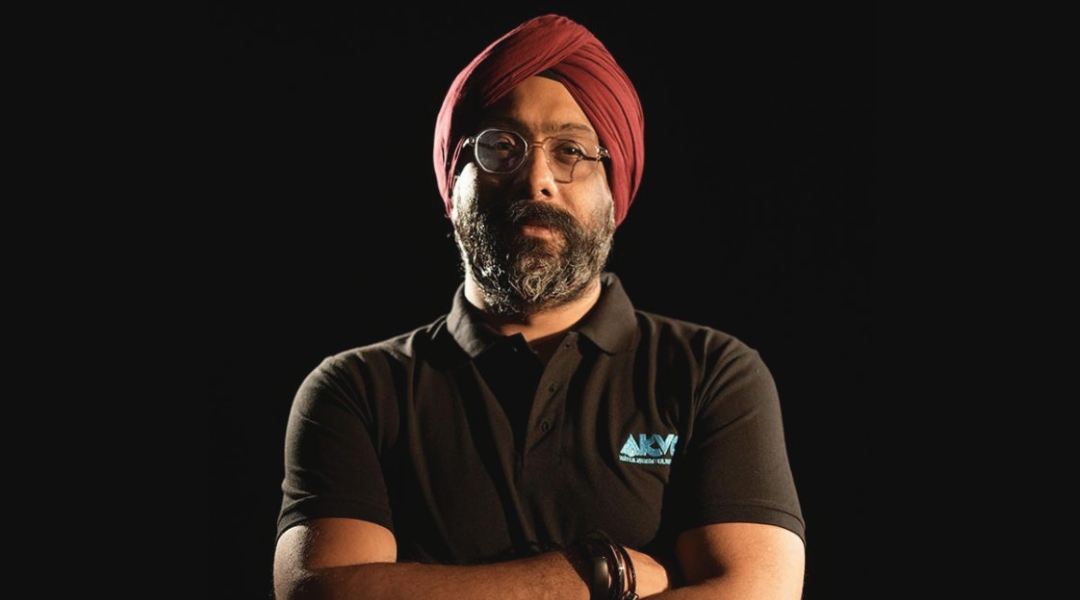
In an interview with TimesTech, Navkaran Singh Bagga, Founder & CEO of Akvo Atmospheric Water Systems discusses the rising importance of decentralized water solutions in a climate-challenged world. He highlights how atmospheric water generation, IoT integration, and Water-as-a-Service models are reshaping water access. The conversation also explores scalability challenges, sustainability goals, and Akvo’s mission to address global water scarcity through innovation.

TimesTech: Akvo has been at the forefront of atmospheric water generation — how do you see decentralized water systems evolving as a core component of climate-resilient infrastructure globally?

Navkaran: Water infrastructure was constructed for climate conditions which have shifted. Reservoir levels are dropping, aquifers are running out of water, and we cannot build enough pipelines fast enough to keep up with the growth in cities. As a result, we will see more and more and more decentralised water systems (like atmospheric water generation or rainwater collection; reuse of on-site wastewater) be used in addition to municipal supplies as part of an overall plan for resilience, but rather than serving as a replacement system. Over the next 10 years, all of the major components of infrastructure (schools, hospitals, data storage centres, and industrial sites) will be designed with a decentralised water programme built-in at the point of use. I am already seeing the change in all of the 15 countries in which we work.

TimesTech: Your technology transforms air into drinking water — what have been the biggest technological and environmental challenges in scaling AWG systems across diverse geographies?

Navkaran: The core technical challenge is performance under highly variable ambient conditions. Output is environment-dependent i.e. best in warm, humid air and falling sharply in cold or dry zones. So, every geography requires honest climatic modelling before deployment. We have engineered around this through refrigerant optimisation, heat exchanger design and IoT-driven controls that adapt to real-time conditions. Environmentally, the bigger challenge has been energy intensity. Pairing AWG with rooftop solar, and improving the coefficient of performance generation after generation, is how we keep the litre-per-kilowatt-hour equation moving in the right direction. Transparency with customers on all of this is non-negotiable.

TimesTech: With IoT integration becoming central to infrastructure, how is Akvo leveraging intelligent technologies to transform water from a basic utility into smart, data-driven infrastructure?

Navkaran: At Akvo, we treat every machine as a connected asset. Our platform, Nimbus OS, runs across our fleet and gives us real-time visibility into run hours, litres produced, energy consumed, ambient temperature and humidity, filter health and component performance. That data does three things: it enables predictive maintenance before failures occur, lets clients see their environmental impact daily in litres produced and plastic bottles avoided, and allows us to continuously improve product design based on field reality. Water, once instrumented, stops being a silent utility and becomes accountable infrastructure exactly what industrial and CSR clients increasingly demand.

TimesTech: The concept of “Water-as-a-Service” is gaining traction — how do you see this model reshaping water access for industries and urban ecosystems in the coming years?

Navkaran: Water-as-a-Service fundamentally changes who carries the risk. Instead of a client making a large capital purchase and hoping the technology performs, a partner like Akvo invests in the machine and the client pays only for the water actually consumed. That single shift unlocks schools, hospitals, factories and housing societies that would never sign off on a capex line. It also forces us, the provider, to keep uptime and quality high because revenue depends on it. Over the coming years this model will do for decentralised water what leasing did for commercial real estate making access routine, predictable and measurable.

TimesTech: Akvo has already achieved significant global scale, generating millions of litres of water annually — what strategies have been key in balancing sustainability, affordability, and scalability?

Navkaran: The most significant decisions made by the organisation were as follows: the main production facility is located in Chennai and is run by our company instead of Outsourcing; all products manufactured will be of the same design allowing for a variety of market applications based on the same design; we will be partnering with local companies in each of the markets we operate in through joint venture rather than exporting our products from across the globe. A successful sustainable business is only possible when the supply chain, product design and go to market strategy are all developed to support one another.

TimesTech: As someone with a diverse entrepreneurial background, what inspired your transition into climate-tech, and how do you envision Akvo’s role in addressing global water scarcity over the next decade?

Navkaran: My previous business experience has shown me the disciplines of manufacturing, developing markets through exports, and growing during the inevitable downturns. I would like to apply that operational strength to the fields of climate technology and water. Water shortage is not just a future concern, but an active challenge for hundreds of millions of people around the world today. Solutions must be of sufficient industrial scale and commercial grade, rather than a product of goodwill. The goal is for Akvo to become a portable, dependable factor in achieving global water transformation over the next ten years, found in nearly every country, respected by both businesses and governments, and transparent about the capabilities of its technology.

Original article

India Today

As the world marks Earth Day 2026, the focus is shifting from large, centralized infrastructure to smaller, more resilient local systems. One of the most urgent areas of change is water.

By 2030, global freshwater demand is expected to exceed supply by 40%. Aquifers are being depleted rapidly, rivers are shrinking, and traditional solutions—bigger pipelines and deeper wells—are no longer enough.

Decentralised water solutions offer a new approach.

Water From Air

The atmosphere holds vast amounts of water. Atmospheric Water Generation (AWG) technology captures this moisture, converting it into clean drinking water without relying on groundwater or surface sources.

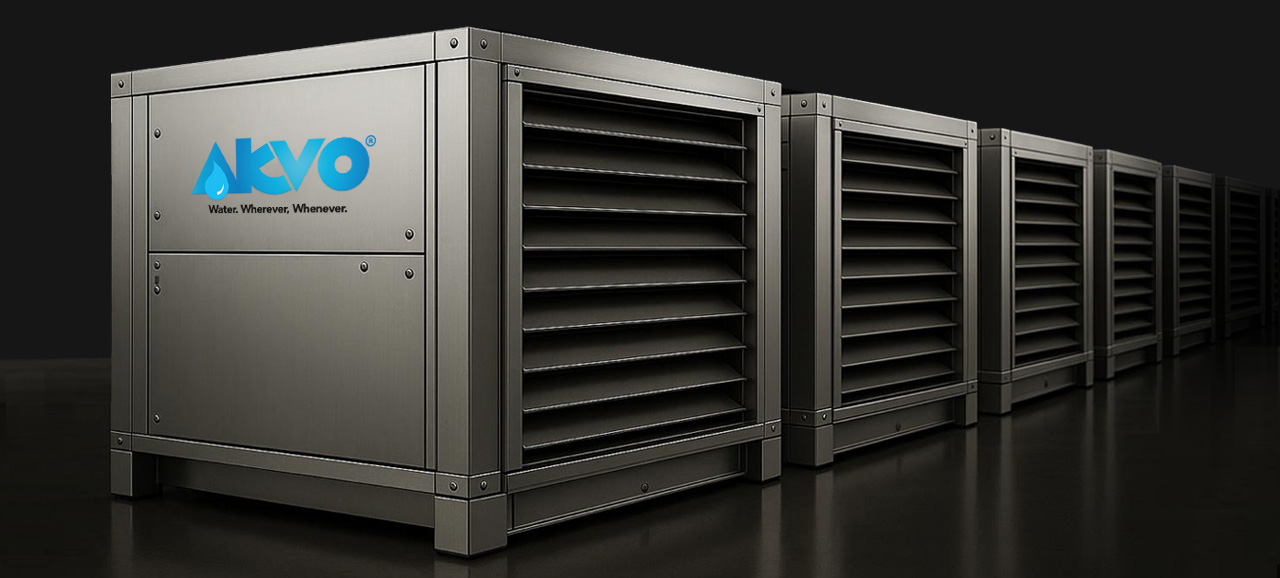
Akvosphere systems are already operating globally—from deserts to coastal cities—providing independent, on-site water using only air and electricity.

Why Decentralisation Works

Centralised water systems are complex and fragile. Decentralisation allows buildings, schools, hospitals, and communities to produce their own water, reducing dependency on external infrastructure.

This shift mirrors the rise of solar energy—making systems more resilient rather than replacing them entirely.

A Scalable Solution

Modern AWG systems use energy comparable to traditional water supply systems. When paired with solar power, their environmental impact drops further.

Unlike groundwater extraction, long-distance transport, or bottled water, AWG offers a more sustainable and scalable alternative.

The Bigger Shift

Earth Day should be about real change—not just messaging.

Water scarcity is already here. Investing in decentralised solutions like AWG is not just sustainable—it’s necessary.

The air holds the answer. It’s time to use it.

To read the full article, visit India Today

India Today

Making Water from Air: From Vision to Breakthrough

A Policy Idea Backed by Science

In 2020, during a virtual interaction with Vestas, Prime Minister Narendra Modi suggested that technology could harvest moisture from the air to generate drinking water. What seemed ambitious at the time has now been reinforced by scientific advancement.

In 2026, Nobel laureate Omar Yaghi, winner of the 2025 Nobel Prize in Chemistry, unveiled an industrial-scale atmospheric water harvesting system capable of producing up to 1,000 litres of water daily — even in extremely dry regions. Through his California-based company Atoco, Yaghi has translated advanced materials science into a practical solution.

The Science: Reticular Chemistry and Molecular Sponges

At the core of this breakthrough is reticular chemistry, a field focused on designing crystalline structures known as Metal Organic Frameworks (MOFs). These highly porous materials function like molecular sponges, capturing water directly from the air through adsorption rather than energy-intensive cooling.

Unlike conventional Atmospheric Water Generators (AWGs) that rely on refrigeration to reach dew point, MOF-based systems chemically attract water molecules, allowing operation even at humidity levels as low as 10–20%. This dramatically reduces energy consumption and expands viability to desert environments.

Decentralised Water Security in Practice

Atmospheric harvesting represents a shift toward decentralised water production. A container-sized unit can generate around 1,000 litres of clean water per day and can operate using solar heat, eliminating dependence on pipelines or lMaking water from air, atmospheric water generation, Omar Yaghi Nobel Prize, reticular chemistry, metal organic frameworks MOF, PM Narendra Modi water vision, Atoco atmospheric harvesting, decentralized water solutions, water from dry air technology, climate resilient water systems, India water security, sustainable water innovationarge infrastructure.

In India, AKVO, led by Navkaran Singh Bagga, deploys condensation-based AWGs suited to the country’s diverse climates. These systems filter air, condense moisture, and purify it through multi-stage treatment, reducing reliance on groundwater, tankers, and bottled water.

A New Era of Resilience

With billions lacking access to safe drinking water and climate pressures intensifying, atmospheric water generation offers a scalable and resilient alternative. By extracting water directly from the air, communities can move toward self-sufficiency — transforming a forward-looking vision into a tangible solution.

Read the full original article here: India Today

Responsible Us

Ethical Innovation: How Responsible Tech Can Solve the Water Crisis

By Navkaran Singh Bagga, CEO & Founder, Akvo

The water crisis is no longer a future concern — it is a present reality. Cities like Bengaluru, Chennai, and Mumbai face severe water scarcity driven by groundwater depletion, infrastructure stress, and climate change. But this is not just a technical issue — it is social, economic, and environmental.

Solving it requires ethical innovation — technology designed not only for efficiency, but for long-term sustainability, equitable access, and environmental responsibility.

Rethinking Water Through Atmospheric Generation

Atmospheric Water Generation (AWG) offers a decentralized approach by extracting moisture from the air and converting it into safe drinking water. By generating water at the point of use, AWGs reduce reliance on overexploited aquifers and strained municipal systems.

Decentralized production also reduces:

  • Carbon emissions from tanker transportation

  • Plastic waste from bottled water

  • Pressure on natural water bodies

Because AWGs can operate using solar, grid, or hybrid energy sources, they are adaptable to urban, rural, industrial, and disaster-prone areas.

Making Sustainability Economically Accessible

Ethical innovation must also be financially inclusive. Akvo’s Water-on-Want (WoW) initiative follows an OPEX-based Build-Own-Operate-Transfer (BOOT) model, eliminating upfront CAPEX. Organizations pay only for the water they consume, while Akvo manages installation and maintenance.

This model lowers adoption barriers and makes sustainable water access both practical and scalable.

Innovation With Purpose

The water crisis demands more than infrastructure upgrades — it requires responsibility built into technology itself. Atmospheric Water Generation demonstrates that innovation can preserve natural resources, empower communities, and strengthen resilience.

The future of water security lies not in extraction, but in regeneration — and in innovation driven by purpose.


Read the full original article here: Responsible Us

The Better India

This Kolkata-Based Startup Is Turning Air Into Water — Over 100 Million Litres and Counting

From Curiosity to Climate Action

Founded by Navkaran Singh Bagga, Akvo Atmospheric Water Systems is redefining how India thinks about drinking water. Headquartered in Kolkata, the company has generated over 100 million litres of clean drinking water across 15 countries — without extracting a single drop from the ground.

With cities like Bengaluru and Chennai facing recurring shortages, and water stress rising in Mumbai, the urgency is clear. Bagga, who studied finance but nurtured a lifelong passion for technology, launched Akvo in 2017 to decentralise access to safe water using Atmospheric Water Generators (AWGs).

Turning Humidity into Drinking Water

Akvo’s AWGs extract moisture from ambient air, filter it, cool it to trigger condensation, and purify the collected water through multi-stage filtration and UV treatment. Essential minerals are then added to ensure the water is safe and balanced for consumption.

The systems perform especially well in humid regions and can operate on grid electricity, solar panels, or generators. Depending on climate conditions, they can produce between 2.5 to 4 litres of water per unit of electricity.

Since its first deployment in 2018, Akvo has installed more than 2,000 systems across India, the Middle East, and parts of South America.

Sustainable Solutions for Industry and Communities

Akvo’s clients include manufacturing plants, renewable energy sites, and hospitals seeking to reduce reliance on groundwater and plastic bottles. At the Tuppadahalli Wind Farm in Karnataka, operated by Acciona, water is now generated on-site — aligning clean water production with renewable power generation.

The company also offers a flexible BOOT (Build, Own, Operate, Transfer) model, allowing businesses to adopt sustainable water systems without upfront capital investment. Clients simply pay for the water they consume.

Scaling with Purpose

Operating with a lean team and without external investors, Akvo has focused on mission-driven growth. Its systems range from 50-litre units to industrial-scale machines producing up to 30,000 litres per day.

As expansion plans target water-stressed yet humid regions in Africa and the Gulf, the vision remains clear: decentralised, climate-resilient water access that reduces dependence on pipelines, tankers, and bottled water.

Akvo’s journey is not just about technology — it is about rethinking water itself. Instead of digging deeper into the ground, the company looks upward, tapping into the vast reservoir already present in the air around us.

Read the full original article here: The Better India

The Hans India

India’s water paradox is stark—we have abundant rivers and monsoons, yet face recurring shortages. Over 80% of our drinking water comes from underground aquifers, but relentless extraction is depleting them. Cities like Chennai, Bengaluru, and Delhi are already seeing the consequences through sinking water tables, salinity, and supply conflicts.

Traditional fixes—dams, canals, and desalination—help but come with ecological and economic trade-offs. With demand outpacing supply, it’s clear we need new approaches.

One overlooked source lies above us: the atmosphere. It holds six times more water than Earth’s rivers. With Atmospheric Water Generators (AWGs), we can harvest humidity and convert it into safe drinking water—right where it’s needed. This decentralized model cuts dependence on tankers, pipelines, and plastic bottles, while offering resilience in times of patchy rainfall or aquifer stress.

India’s humid climate makes AWGs especially viable. They can complement rainwater harvesting, recharge programs, wastewater treatment, and desalination—diversifying our water portfolio much like solar energy transformed power generation. With the right policy recognition, corporate adoption, and public mindset shift, atmospheric water can become a mainstream solution.

Water should not be a privilege but a basic right, as accessible as switching on a light. By looking up, not just down, India can move from depletion to renewal.

Read the full article here: The Hans India

News Byte

This Indian Company Is Turning Air Into Drinking Water

Amid growing global water scarcity, Akvo, an Indian startup, is redefining how we source drinking water—with machines that extract water from air.

Using Atmospheric Water Generators (AWGs), Akvo captures moisture from the atmosphere, filters it, and condenses it into clean, potable water—mimicking the natural process of dew formation.

How It Works

Air is first passed through a triple-layer filtration system to remove dust and impurities. It’s then cooled below the dew point, causing moisture to condense into water droplets. These are collected and filtered multiple times to meet drinking water standards—offering a sustainable alternative to groundwater and bottled water.

Built for Versatility

According to Navkaran Singh Bagga, Founder and CEO of Akvo, the biggest challenge has been optimizing water yield while keeping energy consumption low. Innovations in heat exchange, filtration, and IoT monitoring have made Akvo’s AWGs more efficient and affordable.

While best suited for warm and humid environments, Akvo’s systems are designed to operate even in moderate humidity, making them viable in a wide range of climates.

A Renewable Water Source

Akvo’s AWGs tap into the Earth’s atmosphere—an inexhaustible source holding over 3,100 cubic miles of water vapor. Unlike groundwater depletion or energy-intensive desalination, this approach is low-impact and climate-resilient.

“Atmospheric water generation offers a renewable, decentralized solution for communities facing droughts and water pollution,” says Bagga.

The Print

Futuristic Water Tech: From Rain Energy to Atmospheric Water

As India faces intensifying water scarcity due to climate change, researchers and innovators are exploring futuristic solutions beyond traditional groundwater and surface water sources.

On World Water Day, experts spotlight breakthroughs like atmospheric water generation (AWG) and rain energy harvesting. One of the notable efforts comes from Akvo Atmospheric Water Systems Pvt. Ltd., led by CEO Navkaran Singh Bagga. The company recently launched its Water-on-Want (WoW) initiative for corporates in Tamil Nadu, Karnataka, Maharashtra, and Gujarat. The program operates on a zero-CAPEX, OPEX-based BOOT model, providing clean drinking water via AWGs with a minimum daily offtake of 500 litres.

“WoW removes financial barriers to sustainable water. We install, own, and operate the systems—clients only pay per litre used,” said Mr. Bagga.

Meanwhile, researchers like Dr. Visakh Vaikuntanathan at Shiv Nadar University are studying ways to harness rain energy, developing dual-use solar-rain cells that generate power from both sunlight and rainfall.

With climate change threatening Himalayan glaciers that feed India’s rivers, experts like Dr. Dipankar Saha warn that urgent tech-driven interventions are critical. Companies like Suhora are using satellite intelligence to monitor glacial changes and prevent disasters.

A 2018 NITI Aayog report projected that by 2030, India’s water demand may double its supply—making such innovations more vital than ever.

Dev Discourse

Harnessing Rain Energy and Atmosphere: The Future of Water Sustainability

As climate change threatens freshwater availability, experts are advancing innovative solutions like rain energy harvesting and atmospheric water generation.

Dr. Visakh Vaikuntanathan of Shiv Nadar University is developing ‘all-weather’ cells that harness energy from raindrops and sunlight, integrating seamlessly with rooftops and drainage systems.

Simultaneously, Navkaran Singh Bagga, CEO of Akvo Atmospheric Water Systems, leads the way in generating clean drinking water from air humidity. With operations in 15 countries, Akvo’s Water-on-Want (WoW) initiative, now live in multiple Indian states, offers sustainable, no-CAPEX water access through a BOOT model.

As Himalayan glaciers shrink, technology is also vital in monitoring melt patterns to manage future water flow. On World Water Day, these pioneering efforts shine as hope for water resilience in India.

DT Next

As India battles rising water scarcity worsened by climate change and extreme weather, researchers and innovators are pushing beyond conventional methods to secure sustainable water sources.

On World Water Day, attention turns to ideas like rain energy harvesting, atmospheric water generation (AWG), and glacier monitoring.

Dr. Visakh Vaikuntanathan of Shiv Nadar University is working on converting the kinetic energy of rain—typically lost as sound—into usable energy through “all-weather” cells that act as both solar and rain-powered generators. His team uses IMD data to estimate rainfall energy and aims to create a rain energy map for India.

Meanwhile, atmospheric water is emerging as a dependable source. A study in Nature outlined a sorption-based atmospheric harvesting system that could revolutionize agriculture.

Navkaran Singh Bagga, CEO of Akvo Atmospheric Water Systems, highlights the company’s use of AWG technology in 15 countries. Akvo’s newly launched Water-on-Want (WoW) initiative in four Indian states (TN, KA, MH, GJ) offers water generation on an OPEX-based BOOT model, eliminating upfront CAPEX and ensuring a minimum of 500 LPD for corporates.

“The WoW model removes financial risk and promotes sustainable access to water,” said Mr. Bagga.

Technologies are also crucial for glacier monitoring, with experts like Dr. Dipankar Saha warning of the cascading effects of glacial melt on India’s rivers and groundwater. Companies like Suhora are applying satellite data and predictive analytics to monitor glacial changes and prepare communities.

India’s looming water crisis—projected to worsen by 2030 with demand outpacing supply—calls for urgent adoption of such innovative solutions.

To read the full article visit: DT Next