
2,000 Machines, 15 Countries, Zero Groundwater: The Rise of Atmospheric Water Infrastructure
As Indian cities face growing water stress, alternative and decentralised water solutions are becoming increasingly important. Atmospheric water generation (AWG) technology is emerging as one such solution by producing drinking water directly from humidity in the air.
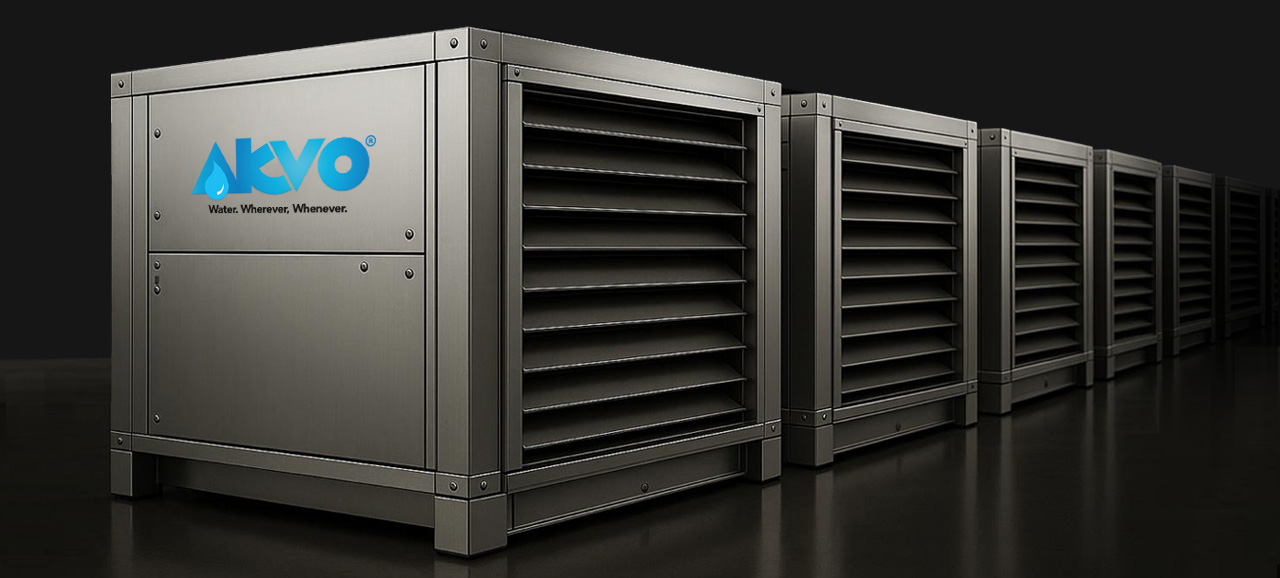
Founded in 2017 by Navkaran Singh Bagga, Kolkata-based Akvo Atmospheric Water Systems has developed AWG systems that reduce dependence on groundwater, water tankers, and bottled water. Since its first deployment in 2018, the company has installed over 2,000 systems across 15 countries, collectively generating more than 100 million litres of drinking water.
Akvo’s systems work by extracting moisture from ambient air, condensing it into water, and purifying it through multi-stage filtration and UV sterilisation. Minerals are then added to improve taste and quality.
The technology is particularly effective in humid urban regions and is currently being used across industries, hospitals, institutions, renewable energy sites, and commercial campuses in cities such as Bengaluru, Mumbai, Chennai, Kolkata, Ahmedabad, and Goa.
Beyond water generation, the systems are helping organisations reduce plastic waste, lower dependence on groundwater extraction, and improve water resilience as part of broader sustainability and ESG initiatives.
As climate change and urbanisation continue to pressure conventional water infrastructure, decentralised technologies like atmospheric water generation are becoming an important part of the future water security conversation.
Read the full article here