Sugarmint

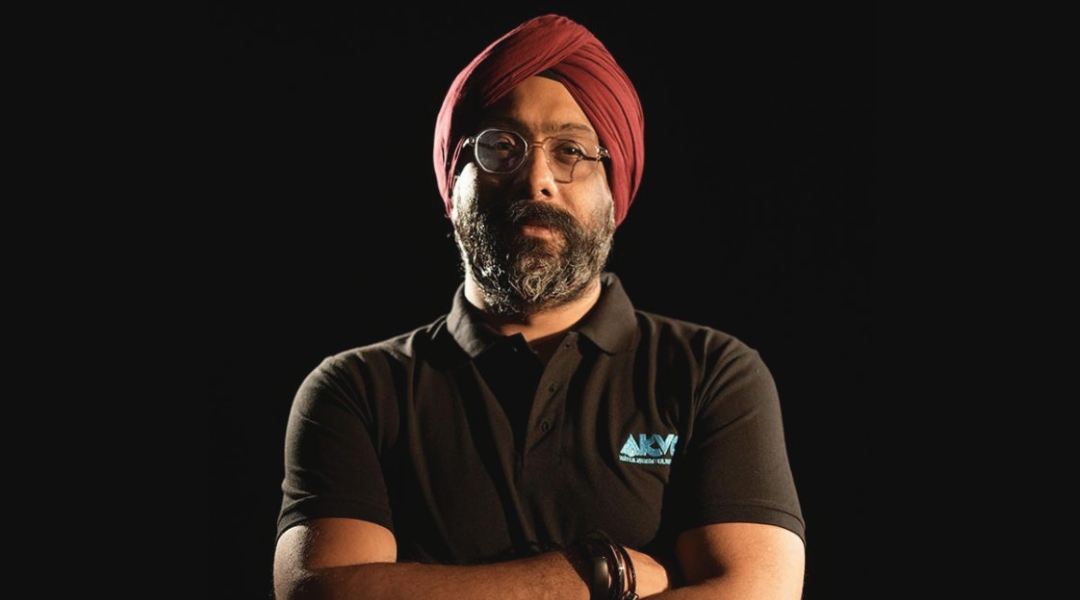
In this exclusive interview, Navkaran Singh Bagga, Founder & CEO of AKVO, shares how Atmospheric Water Generation (AWG) is redefining access to clean drinking water through sustainable, decentralized infrastructure built for a changing climate.

From Weather to Water Infrastructure
The idea behind AKVO wasn’t a single breakthrough moment—it came from repeatedly seeing communities depend on depleting groundwater and unreliable supply systems while overlooking the vast, renewable water source already present in the atmosphere.

By treating humidity as infrastructure rather than weather, AWG creates drinking water directly at the point of consumption, reducing dependence on pipelines, tankers, and stressed aquifers.

Making AWG More Energy Efficient
Energy use has long been one of the biggest criticisms of atmospheric water generation. At AKVO, improving the energy-to-water ratio became a core engineering focus.

Through optimized condensation cycles, heat recovery systems, intelligent controls, and renewable energy integration, AKVO continuously improves performance while adapting output to real-world climate conditions.

Beyond Collection: Delivering Safe Drinking Water
Generating water from air is only the beginning. The collected water undergoes a multi-stage treatment process including:

  • Filtration and purification
  • Controlled remineralization
  • Continuous quality monitoring

This ensures the water consistently meets recognized drinking water quality standards and remains suitable for institutional and industrial use.

Making Adoption Easier with Water-as-a-Service
For many organizations, the challenge isn’t confidence in the technology—it’s the upfront investment.

AKVO’s pay-per-liter model lowers adoption barriers by allowing businesses and institutions to consume water as an operating expense instead of committing to large capital purchases from day one.

Building in India, for Indian Conditions
Localization remains a key focus for AKVO. Manufacturing and assembly continue to move deeper into India’s supply chain ecosystem while maintaining access to specialized global components where needed.

Building closer to deployment conditions also enables faster learning, better optimization, and stronger supply resilience.

The Future Is Decentralized Water
As cities face increasing water stress, Navkaran believes future water systems will not rely on one centralized source alone.

Instead, resilient cities will combine conventional supply with distributed water generation—deploying solutions across campuses, commercial spaces, public infrastructure, and industrial sites.

Advice for Climate-Tech Founders
Climate technology moves at the pace of physics, not software.

Navkaran’s advice to founders is simple: stay obsessed with the problem, expect long development cycles, and remain close to real-world deployment—because lasting innovation is built in the field.

You can read the full interview here

Tech Stories

India is facing a critical paradox: we are one of the world’s fastest-growing economies, yet nearly 600 million of our people live under severe water stress. With roughly 70% of our surface water contaminated and groundwater tables rapidly declining, the drinking water gap has evolved from a local hurdle into a major national infrastructure challenge.

As a founder building Atmospheric Water Generation (AWG) technology at Akvo, I am frequently asked if pulling drinking water from the air can truly scale.

The honest answer? AWG will not replace rivers, rainwater harvesting, or municipal supply. However, it is fast becoming the most credible decentralized option to bridge the last-mile drinking water gap. It steps in precisely where the ground has failed us, the pipes haven’t reached, or the existing source is unsafe.

The atmosphere above India holds an estimated 13,000 cubic kilometers of water vapor at any given time—far more than all of our rivers combined. AWG simply taps a tiny sliver of this endless, renewable reservoir.

Moving the Needle Where It Matters Most

The goal of AWG isn’t to flood cities with air-to-water units. Instead, it is meant to target acute pain points where conventional infrastructure naturally struggles:

  • Schools & Healthcare Centers: Providing pure water in districts heavily affected by fluoride or arsenic.

  • Remote & Border Posts: Eliminating the punishing logistics of trucking water to distant terrains.

  • Campuses & Industrial Sites: Replacing the massive financial and plastic waste of packaged bottled water.

  • Disaster Relief: Deploying mobile AWG units that can be airlifted and producing clean water within hours.

This targeted approach offers a powerful opportunity for Corporate Social Responsibility (CSR) and ESG capital. Rather than funding temporary fixes, partners can invest in decentralized infrastructure that delivers verifiable impact data daily through IoT dashboards—measuring success in clean liters generated, not just photographs.

Turning the Economic Tide

What was once an expensive novelty is now a commercially viable reality. Thanks to advancements in compressor efficiency, heat exchanger design, and predictive maintenance, the cost per liter has dropped significantly. In warm, humid climatic zones, AWG is now highly competitive with—and often cheaper than—packaged or tankered water once you factor in logistics and plastic disposal.

Furthermore, the rise of the Water-as-a-Service (WaaS) model allows schools, hospitals, and municipalities to pay only for the liters they consume, removing the upfront capital barrier entirely.

Knowing the Limits

True credibility in climate technology relies on what we refuse to overpromise. AWG is a specialized drinking water solution designed to deliver the vital 20 to 30 liters a person needs each day. It is environment-dependent, meaning output naturally drops in cold, dry regions like high-altitude Ladakh or during peak North Indian winters. To manage energy consumption sustainably, pairing AWG with rooftop solar is rapidly becoming our default design.

The Mesh Architecture of Water

India’s water future won’t rely on a single, grand pipeline. It will look like a collaborative mesh: surface water where abundant, groundwater where sustainable, rainwater harvesting where possible, recycled water for utilities, and atmospheric water precisely where the other options fail.

At Akvo, we are building for that future—one decentralized unit at a time.

This article was originally published on Financial Express. You can read the full, unabridged piece here: Air to Water: Can Atmospheric Technologies Solve India’s Drinking Water Gap?

NITI Frontier Tech Hub

2,000 Machines, 15 Countries, Zero Groundwater: The Rise of Atmospheric Water Infrastructure

As Indian cities face growing water stress, alternative and decentralised water solutions are becoming increasingly important. Atmospheric water generation (AWG) technology is emerging as one such solution by producing drinking water directly from humidity in the air.

Founded in 2017 by Navkaran Singh Bagga, Kolkata-based Akvo Atmospheric Water Systems has developed AWG systems that reduce dependence on groundwater, water tankers, and bottled water. Since its first deployment in 2018, the company has installed over 2,000 systems across 15 countries, collectively generating more than 100 million litres of drinking water.

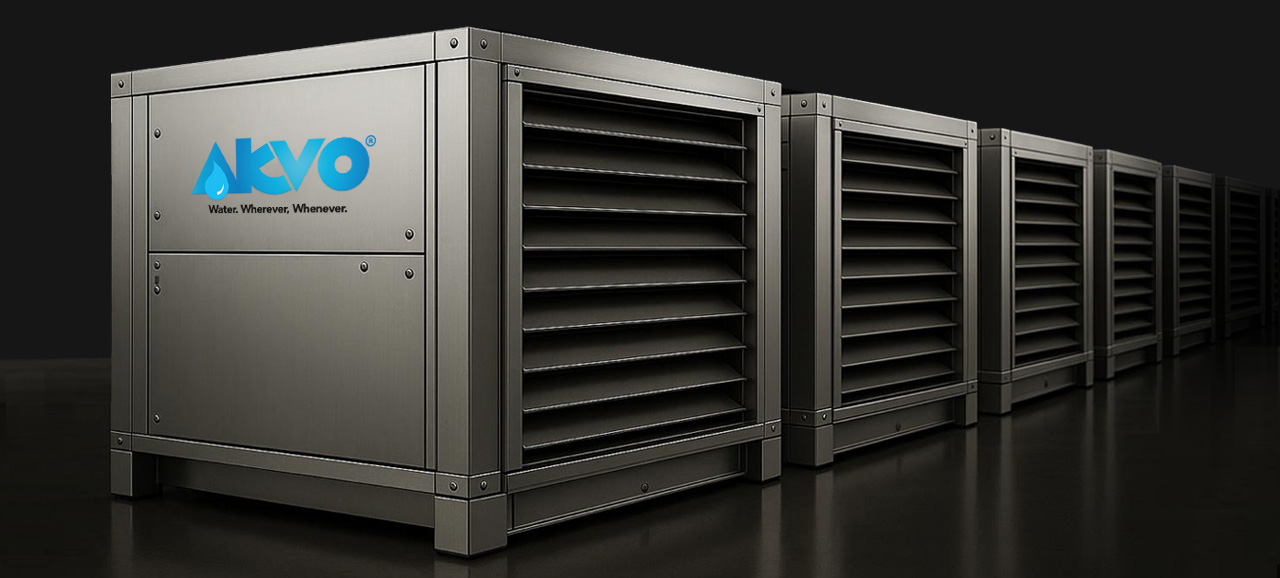
Akvo’s systems work by extracting moisture from ambient air, condensing it into water, and purifying it through multi-stage filtration and UV sterilisation. Minerals are then added to improve taste and quality.

The technology is particularly effective in humid urban regions and is currently being used across industries, hospitals, institutions, renewable energy sites, and commercial campuses in cities such as Bengaluru, Mumbai, Chennai, Kolkata, Ahmedabad, and Goa.

Beyond water generation, the systems are helping organisations reduce plastic waste, lower dependence on groundwater extraction, and improve water resilience as part of broader sustainability and ESG initiatives.

As climate change and urbanisation continue to pressure conventional water infrastructure, decentralised technologies like atmospheric water generation are becoming an important part of the future water security conversation.

Read the full article here