
Tech Stories

India is facing a critical paradox: we are one of the world’s fastest-growing economies, yet nearly 600 million of our people live under severe water stress. With roughly 70% of our surface water contaminated and groundwater tables rapidly declining, the drinking water gap has evolved from a local hurdle into a major national infrastructure challenge.

As a founder building Atmospheric Water Generation (AWG) technology at Akvo, I am frequently asked if pulling drinking water from the air can truly scale.

The honest answer? AWG will not replace rivers, rainwater harvesting, or municipal supply. However, it is fast becoming the most credible decentralized option to bridge the last-mile drinking water gap. It steps in precisely where the ground has failed us, the pipes haven’t reached, or the existing source is unsafe.

The atmosphere above India holds an estimated 13,000 cubic kilometers of water vapor at any given time—far more than all of our rivers combined. AWG simply taps a tiny sliver of this endless, renewable reservoir.

Moving the Needle Where It Matters Most

The goal of AWG isn’t to flood cities with air-to-water units. Instead, it is meant to target acute pain points where conventional infrastructure naturally struggles:

  • Schools & Healthcare Centers: Providing pure water in districts heavily affected by fluoride or arsenic.

  • Remote & Border Posts: Eliminating the punishing logistics of trucking water to distant terrains.

  • Campuses & Industrial Sites: Replacing the massive financial and plastic waste of packaged bottled water.

  • Disaster Relief: Deploying mobile AWG units that can be airlifted and producing clean water within hours.

This targeted approach offers a powerful opportunity for Corporate Social Responsibility (CSR) and ESG capital. Rather than funding temporary fixes, partners can invest in decentralized infrastructure that delivers verifiable impact data daily through IoT dashboards—measuring success in clean liters generated, not just photographs.

Turning the Economic Tide

What was once an expensive novelty is now a commercially viable reality. Thanks to advancements in compressor efficiency, heat exchanger design, and predictive maintenance, the cost per liter has dropped significantly. In warm, humid climatic zones, AWG is now highly competitive with—and often cheaper than—packaged or tankered water once you factor in logistics and plastic disposal.

Furthermore, the rise of the Water-as-a-Service (WaaS) model allows schools, hospitals, and municipalities to pay only for the liters they consume, removing the upfront capital barrier entirely.

Knowing the Limits

True credibility in climate technology relies on what we refuse to overpromise. AWG is a specialized drinking water solution designed to deliver the vital 20 to 30 liters a person needs each day. It is environment-dependent, meaning output naturally drops in cold, dry regions like high-altitude Ladakh or during peak North Indian winters. To manage energy consumption sustainably, pairing AWG with rooftop solar is rapidly becoming our default design.

The Mesh Architecture of Water

India’s water future won’t rely on a single, grand pipeline. It will look like a collaborative mesh: surface water where abundant, groundwater where sustainable, rainwater harvesting where possible, recycled water for utilities, and atmospheric water precisely where the other options fail.

At Akvo, we are building for that future—one decentralized unit at a time.

This article was originally published on Financial Express. You can read the full, unabridged piece here: Air to Water: Can Atmospheric Technologies Solve India’s Drinking Water Gap?
The Better India

This Kolkata-Based Startup Is Turning Air Into Water — Over 100 Million Litres and Counting

From Curiosity to Climate Action

Founded by Navkaran Singh Bagga, Akvo Atmospheric Water Systems is redefining how India thinks about drinking water. Headquartered in Kolkata, the company has generated over 100 million litres of clean drinking water across 15 countries — without extracting a single drop from the ground.

With cities like Bengaluru and Chennai facing recurring shortages, and water stress rising in Mumbai, the urgency is clear. Bagga, who studied finance but nurtured a lifelong passion for technology, launched Akvo in 2017 to decentralise access to safe water using Atmospheric Water Generators (AWGs).

Turning Humidity into Drinking Water

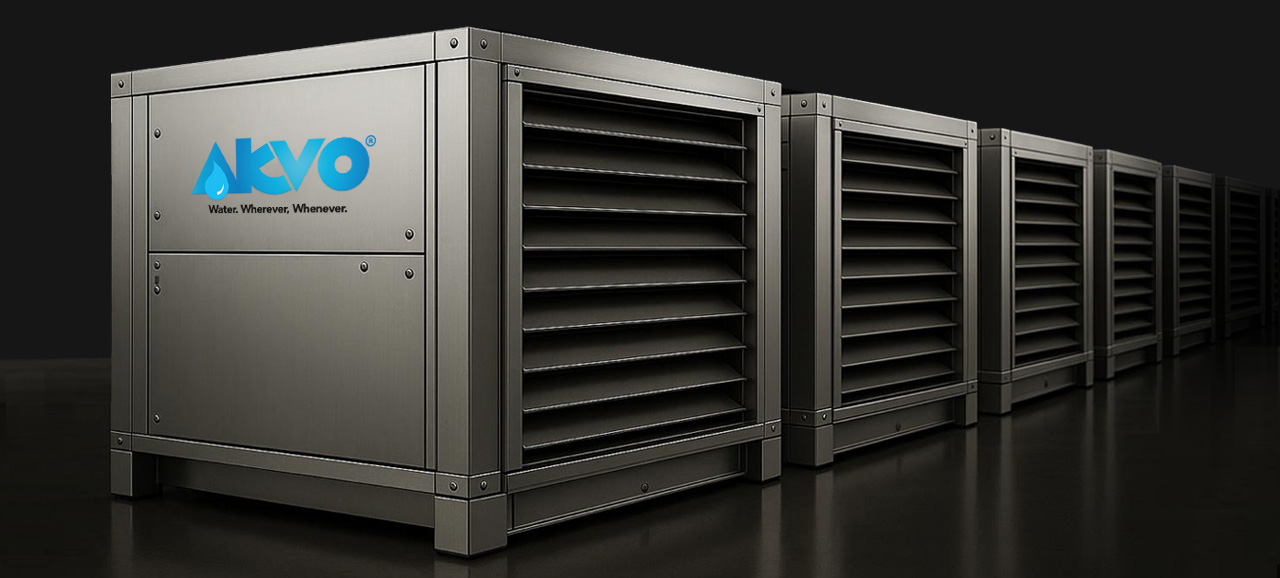
Akvo’s AWGs extract moisture from ambient air, filter it, cool it to trigger condensation, and purify the collected water through multi-stage filtration and UV treatment. Essential minerals are then added to ensure the water is safe and balanced for consumption.

The systems perform especially well in humid regions and can operate on grid electricity, solar panels, or generators. Depending on climate conditions, they can produce between 2.5 to 4 litres of water per unit of electricity.

Since its first deployment in 2018, Akvo has installed more than 2,000 systems across India, the Middle East, and parts of South America.

Sustainable Solutions for Industry and Communities

Akvo’s clients include manufacturing plants, renewable energy sites, and hospitals seeking to reduce reliance on groundwater and plastic bottles. At the Tuppadahalli Wind Farm in Karnataka, operated by Acciona, water is now generated on-site — aligning clean water production with renewable power generation.

The company also offers a flexible BOOT (Build, Own, Operate, Transfer) model, allowing businesses to adopt sustainable water systems without upfront capital investment. Clients simply pay for the water they consume.

Scaling with Purpose

Operating with a lean team and without external investors, Akvo has focused on mission-driven growth. Its systems range from 50-litre units to industrial-scale machines producing up to 30,000 litres per day.

As expansion plans target water-stressed yet humid regions in Africa and the Gulf, the vision remains clear: decentralised, climate-resilient water access that reduces dependence on pipelines, tankers, and bottled water.

Akvo’s journey is not just about technology — it is about rethinking water itself. Instead of digging deeper into the ground, the company looks upward, tapping into the vast reservoir already present in the air around us.

Read the full original article here: The Better India

The Hans India

India’s water paradox is stark—we have abundant rivers and monsoons, yet face recurring shortages. Over 80% of our drinking water comes from underground aquifers, but relentless extraction is depleting them. Cities like Chennai, Bengaluru, and Delhi are already seeing the consequences through sinking water tables, salinity, and supply conflicts.

Traditional fixes—dams, canals, and desalination—help but come with ecological and economic trade-offs. With demand outpacing supply, it’s clear we need new approaches.

One overlooked source lies above us: the atmosphere. It holds six times more water than Earth’s rivers. With Atmospheric Water Generators (AWGs), we can harvest humidity and convert it into safe drinking water—right where it’s needed. This decentralized model cuts dependence on tankers, pipelines, and plastic bottles, while offering resilience in times of patchy rainfall or aquifer stress.

India’s humid climate makes AWGs especially viable. They can complement rainwater harvesting, recharge programs, wastewater treatment, and desalination—diversifying our water portfolio much like solar energy transformed power generation. With the right policy recognition, corporate adoption, and public mindset shift, atmospheric water can become a mainstream solution.

Water should not be a privilege but a basic right, as accessible as switching on a light. By looking up, not just down, India can move from depletion to renewal.

Read the full article here: The Hans India

DT Next

As India battles rising water scarcity worsened by climate change and extreme weather, researchers and innovators are pushing beyond conventional methods to secure sustainable water sources.

On World Water Day, attention turns to ideas like rain energy harvesting, atmospheric water generation (AWG), and glacier monitoring.

Dr. Visakh Vaikuntanathan of Shiv Nadar University is working on converting the kinetic energy of rain—typically lost as sound—into usable energy through “all-weather” cells that act as both solar and rain-powered generators. His team uses IMD data to estimate rainfall energy and aims to create a rain energy map for India.

Meanwhile, atmospheric water is emerging as a dependable source. A study in Nature outlined a sorption-based atmospheric harvesting system that could revolutionize agriculture.

Navkaran Singh Bagga, CEO of Akvo Atmospheric Water Systems, highlights the company’s use of AWG technology in 15 countries. Akvo’s newly launched Water-on-Want (WoW) initiative in four Indian states (TN, KA, MH, GJ) offers water generation on an OPEX-based BOOT model, eliminating upfront CAPEX and ensuring a minimum of 500 LPD for corporates.

“The WoW model removes financial risk and promotes sustainable access to water,” said Mr. Bagga.

Technologies are also crucial for glacier monitoring, with experts like Dr. Dipankar Saha warning of the cascading effects of glacial melt on India’s rivers and groundwater. Companies like Suhora are applying satellite data and predictive analytics to monitor glacial changes and prepare communities.

India’s looming water crisis—projected to worsen by 2030 with demand outpacing supply—calls for urgent adoption of such innovative solutions.

To read the full article visit: DT Next

India’s Water Crisis Explained

In India, the rate at which groundwater supplies are depleting is shocking. More groundwater is being consumed than the natural processes that replenish them.  It’s not surprising, given the population of the country, that we are the largest users of ground water in the world, just behind China. The 2030 Water Resources Group, made up of private companies, argues that the “water gap” (between insufficient supply and excess demand) in Asia will only close once countries limit the water-intensity of their economies. Continue reading “India’s Water Crisis Explained”

 Akvo Water from Air Pilot Program – Damoh, MP

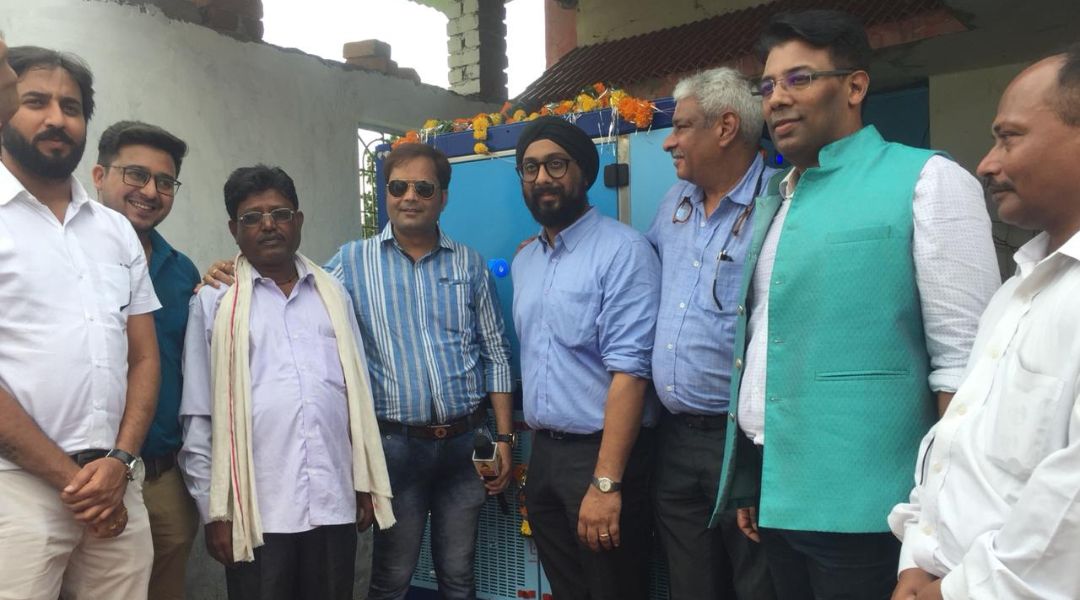
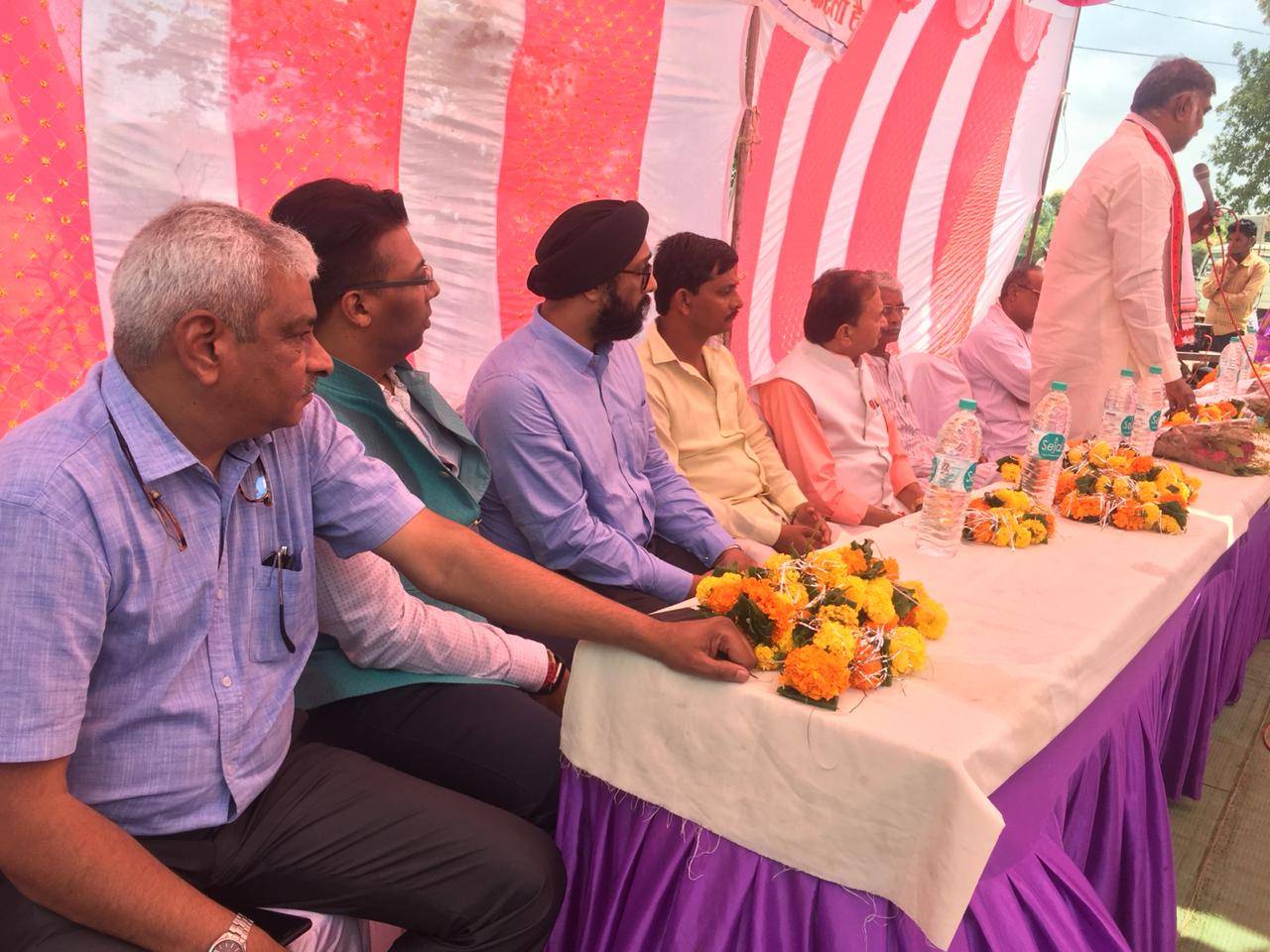
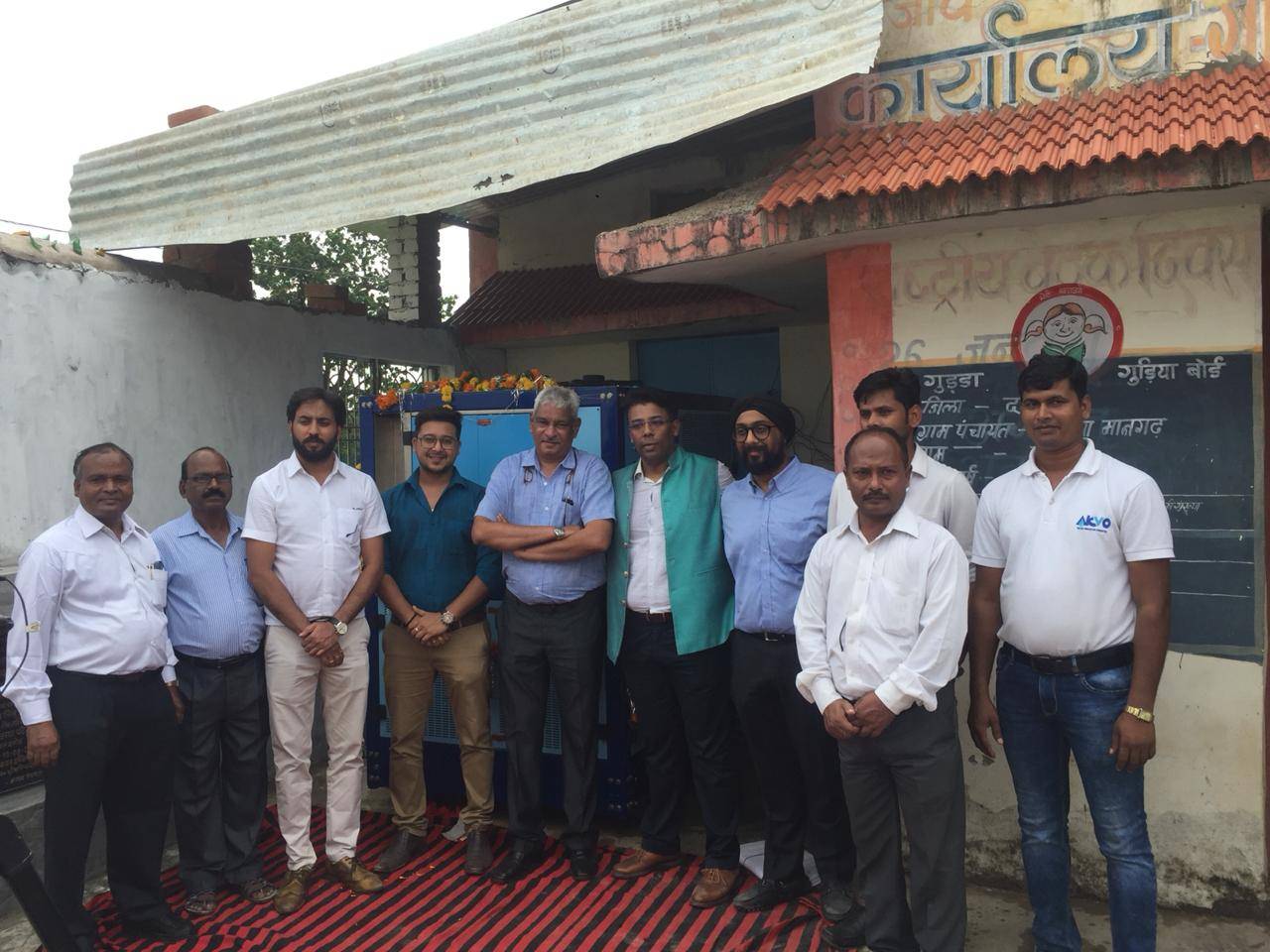
Hardua Mangarh, a small village in Damoh faces drought on a regular basis and coupled with depleting ground water available, the local Government has been fighting water crisis for the past few years. With no source of water, providing safe drinking water to the local population has become a challenge. 

On August 2018, the local government sought Akvo’s Air to water technology to test its water from air machines in a pilot program to meet the drinking water demands. Akvo in coordination with the local authorities installed its Akvo 365K machine, a 1000 Liter of water from air per day machine thus ensuring continuous supply of uninterrupted safe drinking water for local population of Hardua Mangarh.

After the completion of the pilot program more Akvo Atmospheric water generators will be installed in strategic locations to fulfil the drinking water demand.

Water Scarcity – India’s Silent Crisis

India’s huge population makes it very vulnerable when it comes to water shortage and scarcity. Continue reading “Water Scarcity – India’s Silent Crisis”