
Tech Stories

India is facing a critical paradox: we are one of the world’s fastest-growing economies, yet nearly 600 million of our people live under severe water stress. With roughly 70% of our surface water contaminated and groundwater tables rapidly declining, the drinking water gap has evolved from a local hurdle into a major national infrastructure challenge.

As a founder building Atmospheric Water Generation (AWG) technology at Akvo, I am frequently asked if pulling drinking water from the air can truly scale.

The honest answer? AWG will not replace rivers, rainwater harvesting, or municipal supply. However, it is fast becoming the most credible decentralized option to bridge the last-mile drinking water gap. It steps in precisely where the ground has failed us, the pipes haven’t reached, or the existing source is unsafe.

The atmosphere above India holds an estimated 13,000 cubic kilometers of water vapor at any given time—far more than all of our rivers combined. AWG simply taps a tiny sliver of this endless, renewable reservoir.

Moving the Needle Where It Matters Most

The goal of AWG isn’t to flood cities with air-to-water units. Instead, it is meant to target acute pain points where conventional infrastructure naturally struggles:

  • Schools & Healthcare Centers: Providing pure water in districts heavily affected by fluoride or arsenic.

  • Remote & Border Posts: Eliminating the punishing logistics of trucking water to distant terrains.

  • Campuses & Industrial Sites: Replacing the massive financial and plastic waste of packaged bottled water.

  • Disaster Relief: Deploying mobile AWG units that can be airlifted and producing clean water within hours.

This targeted approach offers a powerful opportunity for Corporate Social Responsibility (CSR) and ESG capital. Rather than funding temporary fixes, partners can invest in decentralized infrastructure that delivers verifiable impact data daily through IoT dashboards—measuring success in clean liters generated, not just photographs.

Turning the Economic Tide

What was once an expensive novelty is now a commercially viable reality. Thanks to advancements in compressor efficiency, heat exchanger design, and predictive maintenance, the cost per liter has dropped significantly. In warm, humid climatic zones, AWG is now highly competitive with—and often cheaper than—packaged or tankered water once you factor in logistics and plastic disposal.

Furthermore, the rise of the Water-as-a-Service (WaaS) model allows schools, hospitals, and municipalities to pay only for the liters they consume, removing the upfront capital barrier entirely.

Knowing the Limits

True credibility in climate technology relies on what we refuse to overpromise. AWG is a specialized drinking water solution designed to deliver the vital 20 to 30 liters a person needs each day. It is environment-dependent, meaning output naturally drops in cold, dry regions like high-altitude Ladakh or during peak North Indian winters. To manage energy consumption sustainably, pairing AWG with rooftop solar is rapidly becoming our default design.

The Mesh Architecture of Water

India’s water future won’t rely on a single, grand pipeline. It will look like a collaborative mesh: surface water where abundant, groundwater where sustainable, rainwater harvesting where possible, recycled water for utilities, and atmospheric water precisely where the other options fail.

At Akvo, we are building for that future—one decentralized unit at a time.

This article was originally published on Financial Express. You can read the full, unabridged piece here: Air to Water: Can Atmospheric Technologies Solve India’s Drinking Water Gap?


TechGraph

India’s growing water crisis is forcing cities to rethink where water comes from. From declining groundwater levels in Bengaluru to recurring shortages in Chennai and increasing pressure on urban infrastructure, conventional water sources are under strain.

Yet one abundant resource often goes unnoticed: the moisture present in the air around us.

Atmospheric Water Generation (AWG) technology captures humidity from ambient air and converts it into safe drinking water. Unlike traditional water systems, AWGs do not rely on groundwater, municipal pipelines, or tanker deliveries. Water is produced directly at the point of use through a process of condensation, purification, and mineralisation.

For commercial buildings, hospitals, educational institutions, industries, and residential developments, AWG offers a decentralised and sustainable water solution. It reduces dependence on external water sources while supporting water security and sustainability goals.

The technology is particularly effective across much of India, where humidity levels remain favourable for a significant part of the year. Advances in energy efficiency, IoT-based monitoring, and system performance have also made AWG increasingly viable from both operational and economic perspectives.

As urban populations grow and climate pressures intensify, water resilience will require more than traditional infrastructure alone. Distributed solutions like atmospheric water generation can play an important role in strengthening future water security.

The question is no longer whether air can become a water source. Across India and beyond, it already is.

Read the full article by Navkaran Singh Bagga here

Techgraph

This is a major problem worldwide; it affects billions of people in homes, villages, and towns. Population increases, climate change and limited water resources make the situation worse and thus require innovative approaches.

In the current world, technology is still rising as the key driver and is changing the way that water is harvested, treated, and transported to communities across the world.

This has been one of the most important developments in the last few years with the development of atmospheric water generation technology. These systems pull the moisture from the air and produce clean drinking water that can be taken to areas with limited infrastructure. Air water generators can work in almost all kinds of climate conditions and provide water solutions to people in arid areas and areas that have been affected by disasters. This technology is further improved by the developments in the design of solar-powered and energy-saving systems, which make this technology a better option than conventional water sources.

In addition to management, new technologies are available that are creating a change in the way that water is gathered and stored by the communities. The application of IoT sensors, data analysis, and cloud computing enable the real-time monitoring of water quality, distribution systems, and consumption trends. Local authorities and utilities can save time and cost on repairs and prevent losses and pollution by identifying leaks, tolerances, or overuse of water. This degree of data granularity also assists policymakers in making better decisions on water control and management and the utilization of resources.

Other filtration and purification technologies also enhance the community’s water resilience. Graphene-based filters and other new-age materials can filter out pollutants and microbes and provide safe drinking water even in highly industrialized waters. Along with these technologies, portable purification devices also help people during personal requirements and during calamities, thus protecting the health of people in vulnerable populations.

This is because water tech solutions are not applied in isolation. New technologies cannot work effectively on their own; they need to be integrated into wider strategies that include education, infrastructure development, and community participation for the sustainability of the interventions. One of the other ways is training the local people on how to use and maintain the new technology so that they own it. Private public partnerships and social enterprises also have a significant role to play. These partnerships help economically disadvantaged communities access clean water by investing in reusable and scalable systems, subsidizing distribution costs, and providing microfinance solutions.

In conclusion, the integration of innovation, policy, and the power of community is the way forward to closing the water divide. From atmospheric water generation to the latest filtration systems and IoT-based monitoring, each new technology is helping to create stronger, more independent communities. If all the stakeholders and donors remain committed to their efforts, we may one day be able to provide safe water to people no matter where they are in the world.

With the help of technology and people’s cooperation, water can be transformed to be the source of improvement, health, and the future we desire for everyone, anywhere.

Written by
Navkaran Singh Bagga,
CEO & Founder, AKVO

Eco-Intelligent.com

Water is a big crisis in today’s world. It doesn’t matter where you live or how lavishly you live; you are going to face the brunt of the water crisis now or at some point in the future.

The problem remains acute in India and the crisis is only growing. Despite relying on a variety of water resources like rivers, above ground storage structures and groundwater, we are still not able to provide sufficient water to the people of this country to meet their daily requirements. Continue reading “Eco-Intelligent.com”

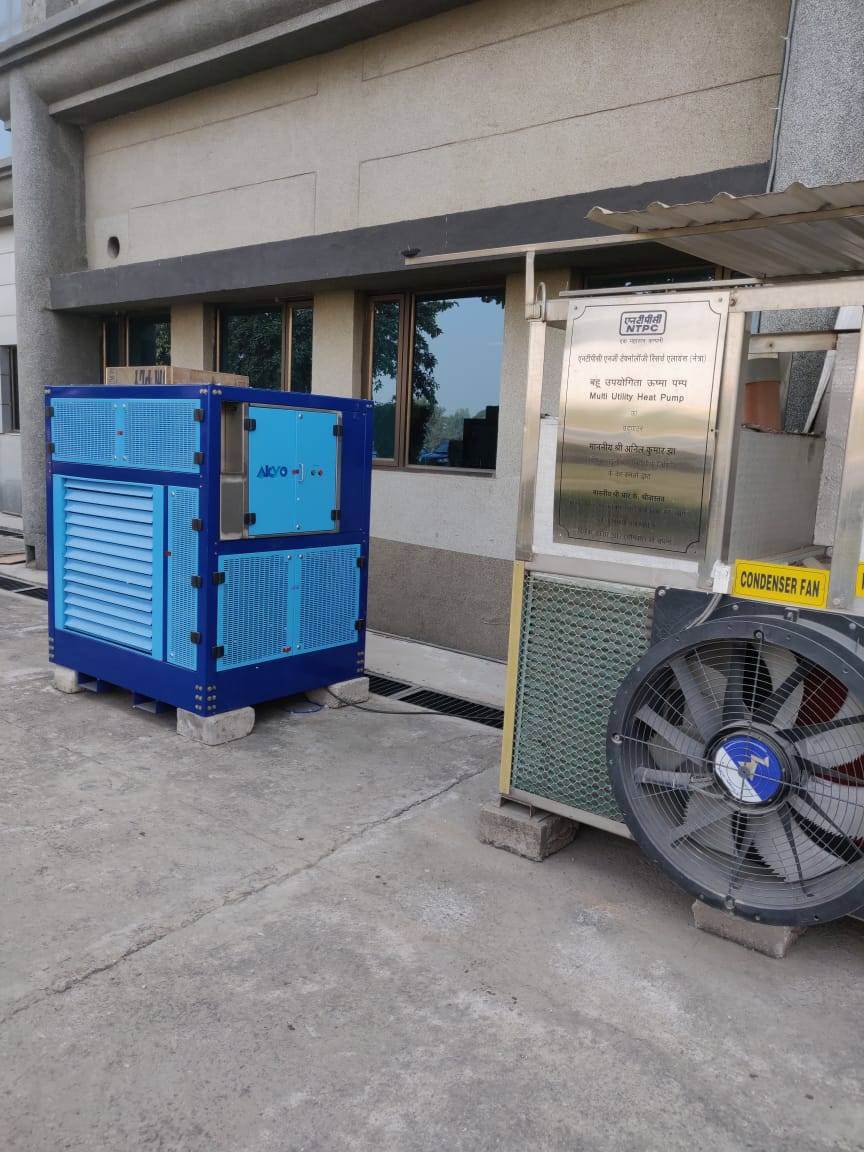
NTPC Netra Noida

NTPC is India’s largest energy conglomerate with roots planted way back in 1975 to accelerate power development in India. As a leading player in the world energy sector, NTPC recognized the potential of cutting edge technology in further improving its services and efficiency. Through its R&D arm NETRA (NTPC Energy Technology Research Alliance), NTPC wanted access to green and sustainable products to further its commitment towards society by doing their bit for to fight water scarcity.

They were looking to harness and use new technology to save water wastage while producing drinking water and they sought Akvo’s atmospheric water generator for the same.

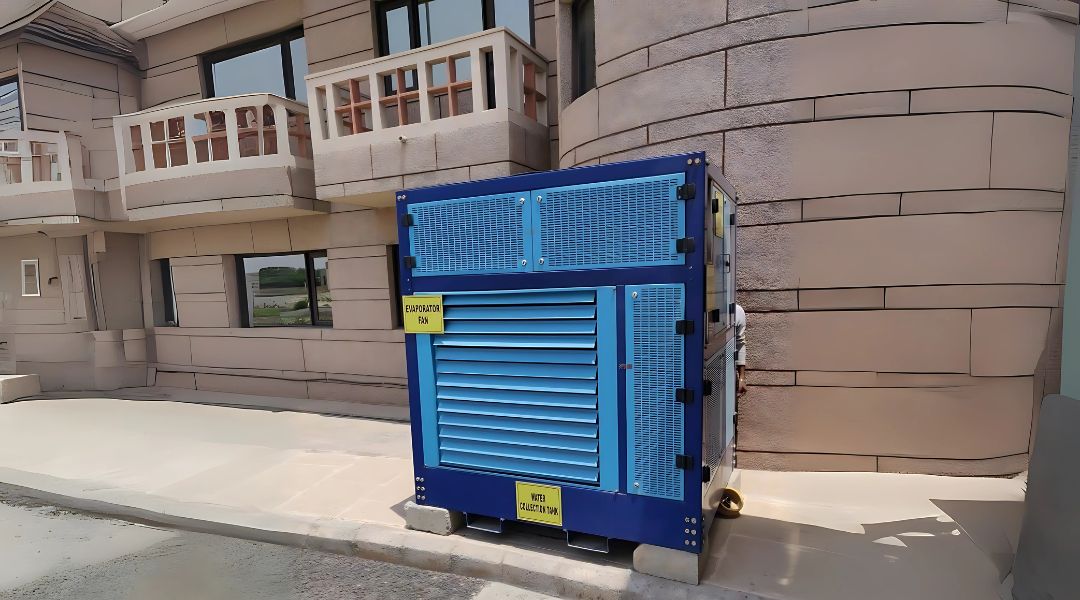
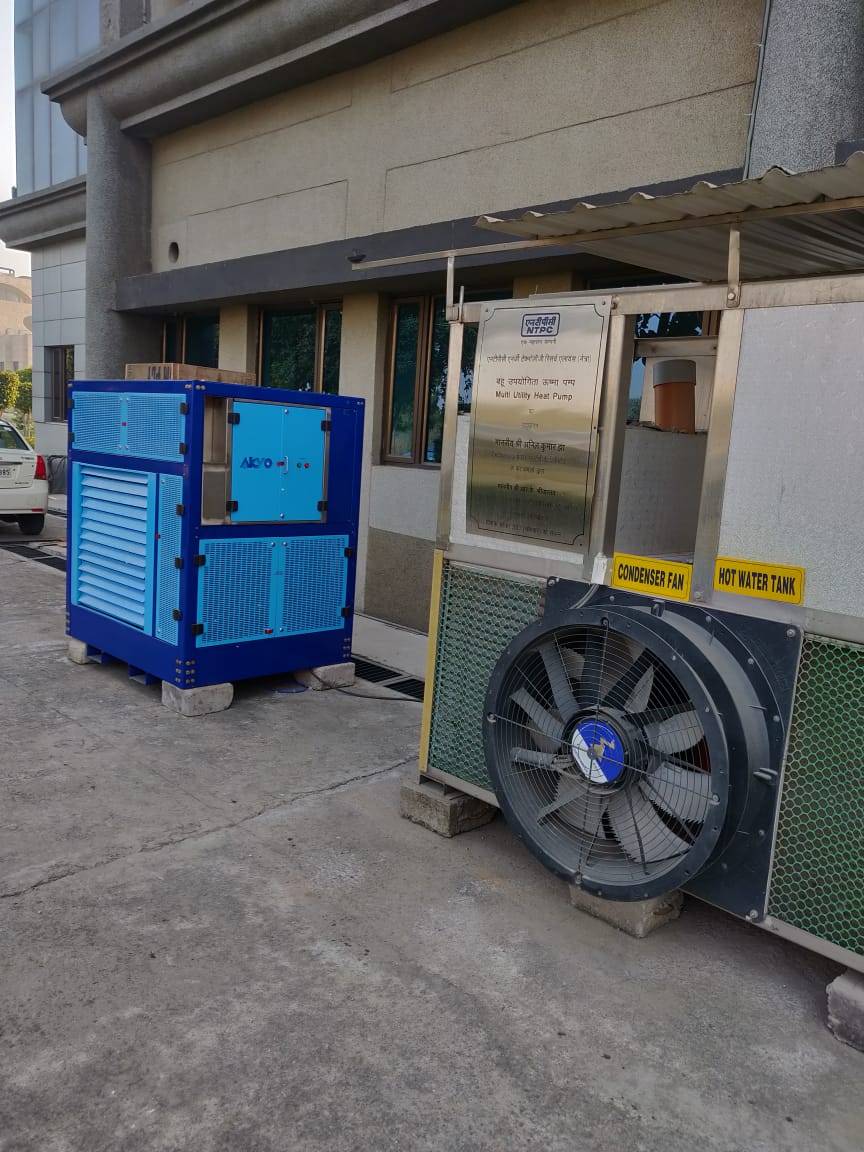
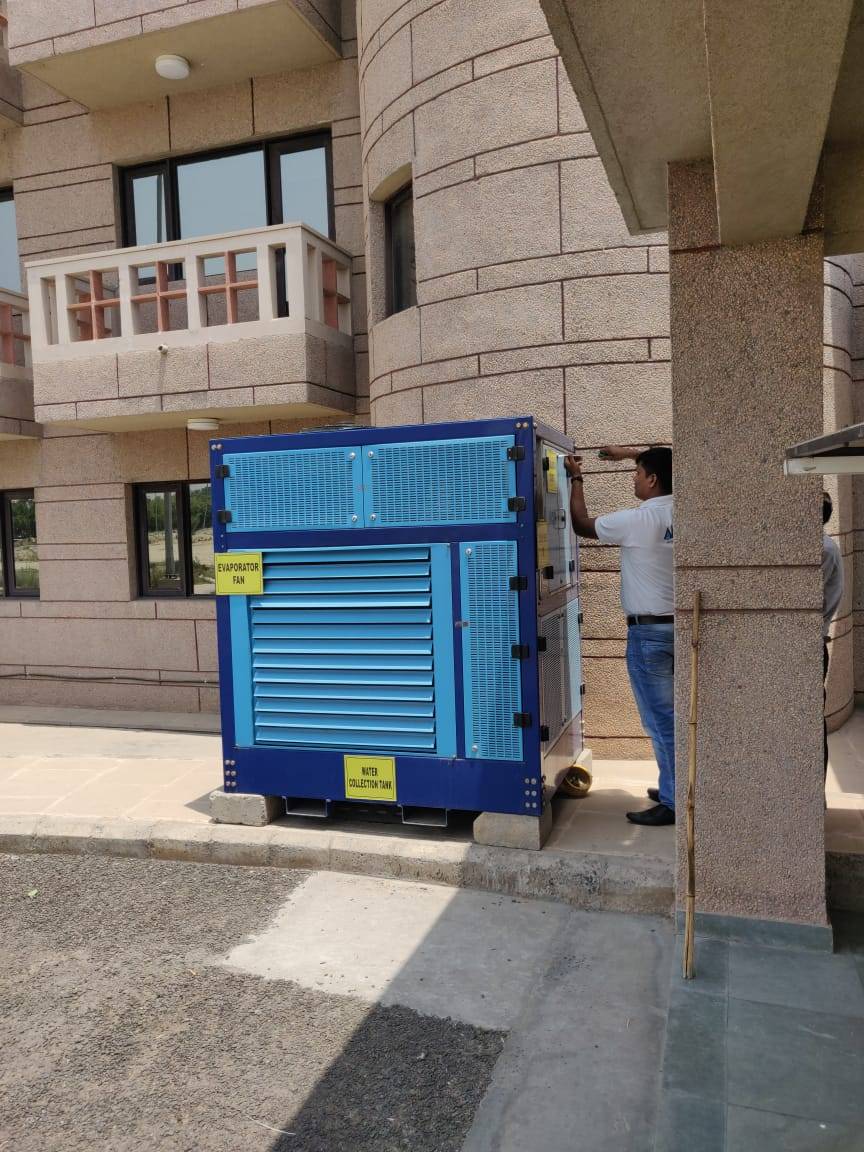
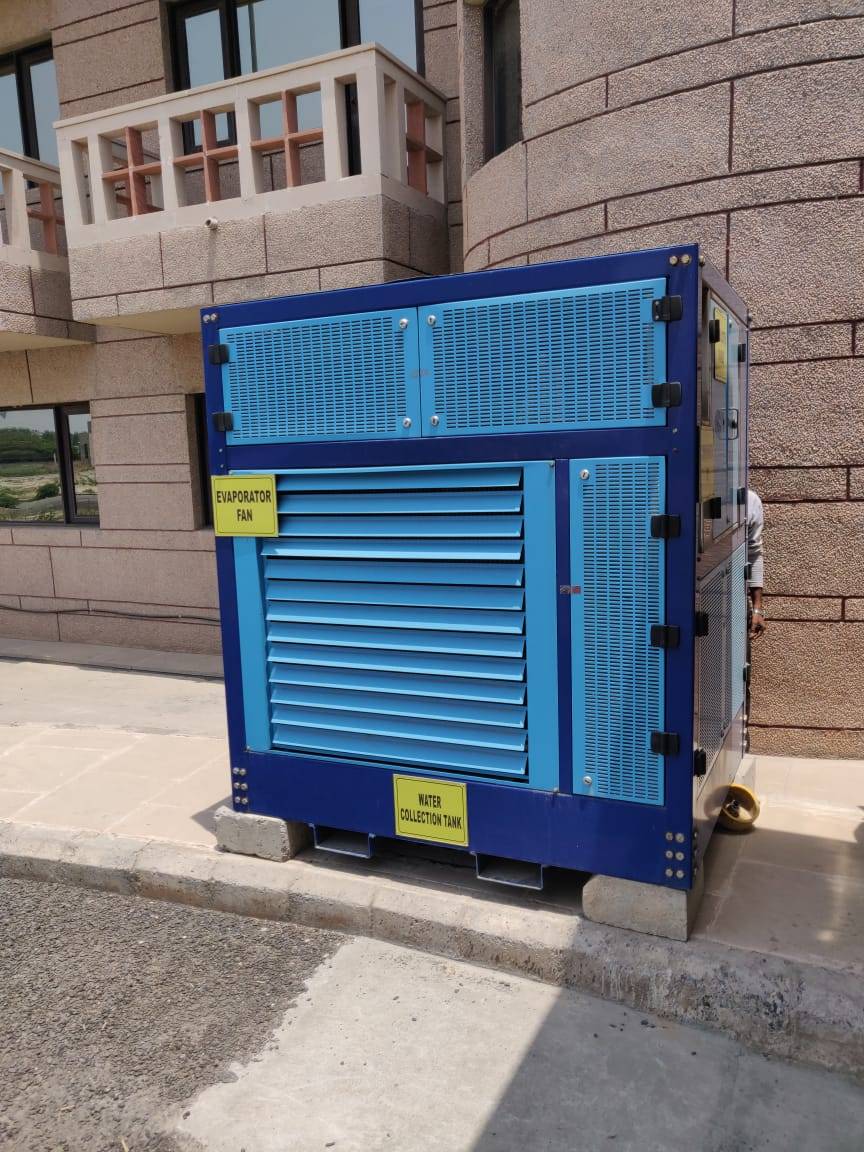
Akvo provided & installed one 1000 LPD unit at their technical centre in Noida for the evaluation & usage study.