
TechGraph

India’s growing water crisis is forcing cities to rethink where water comes from. From declining groundwater levels in Bengaluru to recurring shortages in Chennai and increasing pressure on urban infrastructure, conventional water sources are under strain.

Yet one abundant resource often goes unnoticed: the moisture present in the air around us.

Atmospheric Water Generation (AWG) technology captures humidity from ambient air and converts it into safe drinking water. Unlike traditional water systems, AWGs do not rely on groundwater, municipal pipelines, or tanker deliveries. Water is produced directly at the point of use through a process of condensation, purification, and mineralisation.

For commercial buildings, hospitals, educational institutions, industries, and residential developments, AWG offers a decentralised and sustainable water solution. It reduces dependence on external water sources while supporting water security and sustainability goals.

The technology is particularly effective across much of India, where humidity levels remain favourable for a significant part of the year. Advances in energy efficiency, IoT-based monitoring, and system performance have also made AWG increasingly viable from both operational and economic perspectives.

As urban populations grow and climate pressures intensify, water resilience will require more than traditional infrastructure alone. Distributed solutions like atmospheric water generation can play an important role in strengthening future water security.

The question is no longer whether air can become a water source. Across India and beyond, it already is.

Read the full article by Navkaran Singh Bagga here
NITI Frontier Tech Hub

2,000 Machines, 15 Countries, Zero Groundwater: The Rise of Atmospheric Water Infrastructure

As Indian cities face growing water stress, alternative and decentralised water solutions are becoming increasingly important. Atmospheric water generation (AWG) technology is emerging as one such solution by producing drinking water directly from humidity in the air.

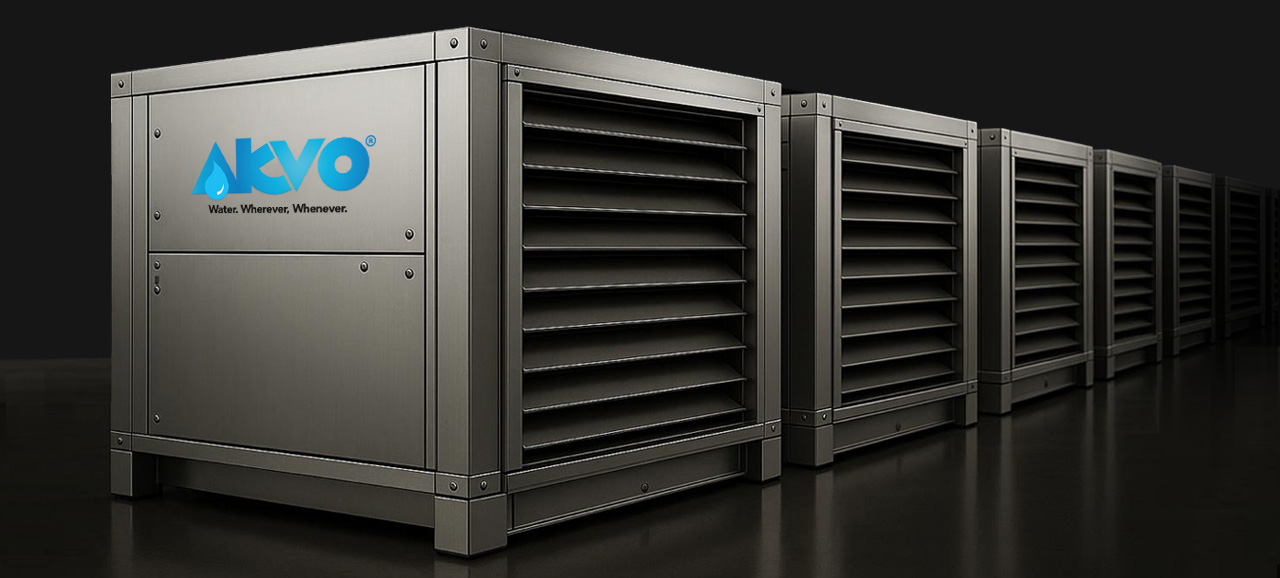
Founded in 2017 by Navkaran Singh Bagga, Kolkata-based Akvo Atmospheric Water Systems has developed AWG systems that reduce dependence on groundwater, water tankers, and bottled water. Since its first deployment in 2018, the company has installed over 2,000 systems across 15 countries, collectively generating more than 100 million litres of drinking water.

Akvo’s systems work by extracting moisture from ambient air, condensing it into water, and purifying it through multi-stage filtration and UV sterilisation. Minerals are then added to improve taste and quality.

The technology is particularly effective in humid urban regions and is currently being used across industries, hospitals, institutions, renewable energy sites, and commercial campuses in cities such as Bengaluru, Mumbai, Chennai, Kolkata, Ahmedabad, and Goa.

Beyond water generation, the systems are helping organisations reduce plastic waste, lower dependence on groundwater extraction, and improve water resilience as part of broader sustainability and ESG initiatives.

As climate change and urbanisation continue to pressure conventional water infrastructure, decentralised technologies like atmospheric water generation are becoming an important part of the future water security conversation.

Read the full article here

Responsible Us

Ethical Innovation: How Responsible Tech Can Solve the Water Crisis

By Navkaran Singh Bagga, CEO & Founder, Akvo

The water crisis is no longer a future concern — it is a present reality. Cities like Bengaluru, Chennai, and Mumbai face severe water scarcity driven by groundwater depletion, infrastructure stress, and climate change. But this is not just a technical issue — it is social, economic, and environmental.

Solving it requires ethical innovation — technology designed not only for efficiency, but for long-term sustainability, equitable access, and environmental responsibility.

Rethinking Water Through Atmospheric Generation

Atmospheric Water Generation (AWG) offers a decentralized approach by extracting moisture from the air and converting it into safe drinking water. By generating water at the point of use, AWGs reduce reliance on overexploited aquifers and strained municipal systems.

Decentralized production also reduces:

  • Carbon emissions from tanker transportation

  • Plastic waste from bottled water

  • Pressure on natural water bodies

Because AWGs can operate using solar, grid, or hybrid energy sources, they are adaptable to urban, rural, industrial, and disaster-prone areas.

Making Sustainability Economically Accessible

Ethical innovation must also be financially inclusive. Akvo’s Water-on-Want (WoW) initiative follows an OPEX-based Build-Own-Operate-Transfer (BOOT) model, eliminating upfront CAPEX. Organizations pay only for the water they consume, while Akvo manages installation and maintenance.

This model lowers adoption barriers and makes sustainable water access both practical and scalable.

Innovation With Purpose

The water crisis demands more than infrastructure upgrades — it requires responsibility built into technology itself. Atmospheric Water Generation demonstrates that innovation can preserve natural resources, empower communities, and strengthen resilience.

The future of water security lies not in extraction, but in regeneration — and in innovation driven by purpose.


Read the full original article here: Responsible Us