
India’s growing water crisis is forcing cities to rethink where water comes from. From declining groundwater levels in Bengaluru to recurring shortages in Chennai and increasing pressure on urban infrastructure, conventional water sources are under strain.
Yet one abundant resource often goes unnoticed: the moisture present in the air around us.
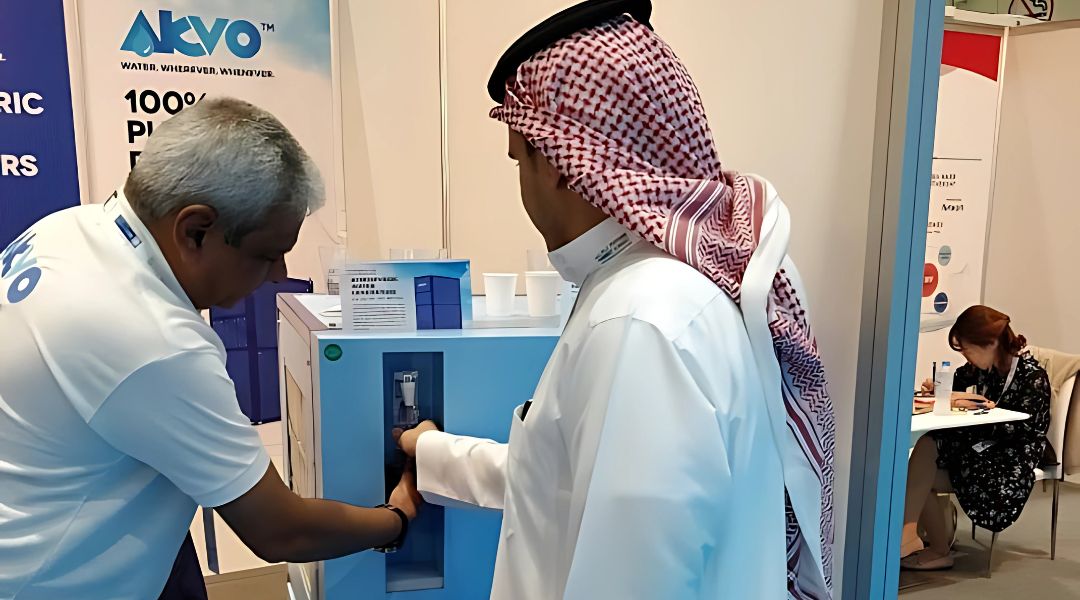
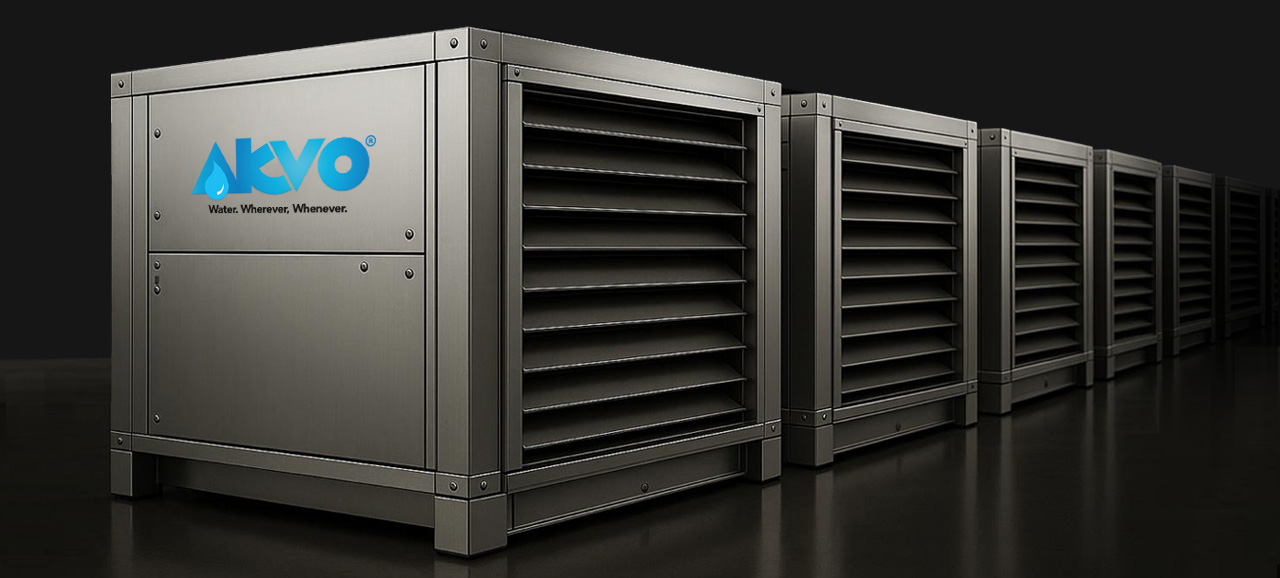
Atmospheric Water Generation (AWG) technology captures humidity from ambient air and converts it into safe drinking water. Unlike traditional water systems, AWGs do not rely on groundwater, municipal pipelines, or tanker deliveries. Water is produced directly at the point of use through a process of condensation, purification, and mineralisation.
For commercial buildings, hospitals, educational institutions, industries, and residential developments, AWG offers a decentralised and sustainable water solution. It reduces dependence on external water sources while supporting water security and sustainability goals.
The technology is particularly effective across much of India, where humidity levels remain favourable for a significant part of the year. Advances in energy efficiency, IoT-based monitoring, and system performance have also made AWG increasingly viable from both operational and economic perspectives.
As urban populations grow and climate pressures intensify, water resilience will require more than traditional infrastructure alone. Distributed solutions like atmospheric water generation can play an important role in strengthening future water security.
The question is no longer whether air can become a water source. Across India and beyond, it already is.
Read the full article by Navkaran Singh Bagga here