Your Story

India’s water crisis is no longer a distant concern—it is an immediate, operational reality. Declining groundwater levels, urban supply failures, and increasing demand have made water scarcity a defining challenge for climate-tech founders in the country.

In this context, building solutions requires more than technical understanding. Founders must engage directly with real-world conditions, where water shortages are experienced daily through failing borewells, emergency tanker dependence, and strained infrastructure. This proximity shapes better products—prioritizing reliability, speed of deployment, and field performance over theoretical design.

A key insight is that innovation in climate-tech goes beyond technology alone. Successful solutions integrate business model design as a core component, shifting from high upfront costs to more accessible, outcome-based models that reduce risk for customers and enable wider adoption.

India’s extreme and varied environmental conditions—ranging from high temperatures and humidity to power instability—also redefine how products must be built. These are not edge cases but baseline realities, making early field deployment and rapid iteration essential for success.

Equally important is trust. In infrastructure-driven sectors like water, decision-making is cautious due to the high impact of failure. Early deployments, strong performance, and credible case studies play a critical role in accelerating adoption and building long-term partnerships.

Ultimately, the climate crisis is not just a backdrop—it is the operating environment. Founders who understand and build within this reality are better positioned to create scalable, resilient solutions that address both India’s challenges and global needs.

Read the full article here.

TimesTech

In an interview with TimesTech, Navkaran Singh Bagga, Founder & CEO of Akvo Atmospheric Water Systems discusses the rising importance of decentralized water solutions in a climate-challenged world. He highlights how atmospheric water generation, IoT integration, and Water-as-a-Service models are reshaping water access. The conversation also explores scalability challenges, sustainability goals, and Akvo’s mission to address global water scarcity through innovation.

TimesTech: Akvo has been at the forefront of atmospheric water generation — how do you see decentralized water systems evolving as a core component of climate-resilient infrastructure globally?

Navkaran: Water infrastructure was constructed for climate conditions which have shifted. Reservoir levels are dropping, aquifers are running out of water, and we cannot build enough pipelines fast enough to keep up with the growth in cities. As a result, we will see more and more and more decentralised water systems (like atmospheric water generation or rainwater collection; reuse of on-site wastewater) be used in addition to municipal supplies as part of an overall plan for resilience, but rather than serving as a replacement system. Over the next 10 years, all of the major components of infrastructure (schools, hospitals, data storage centres, and industrial sites) will be designed with a decentralised water programme built-in at the point of use. I am already seeing the change in all of the 15 countries in which we work.

TimesTech: Your technology transforms air into drinking water — what have been the biggest technological and environmental challenges in scaling AWG systems across diverse geographies?

Navkaran: The core technical challenge is performance under highly variable ambient conditions. Output is environment-dependent i.e. best in warm, humid air and falling sharply in cold or dry zones. So, every geography requires honest climatic modelling before deployment. We have engineered around this through refrigerant optimisation, heat exchanger design and IoT-driven controls that adapt to real-time conditions. Environmentally, the bigger challenge has been energy intensity. Pairing AWG with rooftop solar, and improving the coefficient of performance generation after generation, is how we keep the litre-per-kilowatt-hour equation moving in the right direction. Transparency with customers on all of this is non-negotiable.

TimesTech: With IoT integration becoming central to infrastructure, how is Akvo leveraging intelligent technologies to transform water from a basic utility into smart, data-driven infrastructure?

Navkaran: At Akvo, we treat every machine as a connected asset. Our platform, Nimbus OS, runs across our fleet and gives us real-time visibility into run hours, litres produced, energy consumed, ambient temperature and humidity, filter health and component performance. That data does three things: it enables predictive maintenance before failures occur, lets clients see their environmental impact daily in litres produced and plastic bottles avoided, and allows us to continuously improve product design based on field reality. Water, once instrumented, stops being a silent utility and becomes accountable infrastructure exactly what industrial and CSR clients increasingly demand.

TimesTech: The concept of “Water-as-a-Service” is gaining traction — how do you see this model reshaping water access for industries and urban ecosystems in the coming years?

Navkaran: Water-as-a-Service fundamentally changes who carries the risk. Instead of a client making a large capital purchase and hoping the technology performs, a partner like Akvo invests in the machine and the client pays only for the water actually consumed. That single shift unlocks schools, hospitals, factories and housing societies that would never sign off on a capex line. It also forces us, the provider, to keep uptime and quality high because revenue depends on it. Over the coming years this model will do for decentralised water what leasing did for commercial real estate making access routine, predictable and measurable.

TimesTech: Akvo has already achieved significant global scale, generating millions of litres of water annually — what strategies have been key in balancing sustainability, affordability, and scalability?

Navkaran: The most significant decisions made by the organisation were as follows: the main production facility is located in Chennai and is run by our company instead of Outsourcing; all products manufactured will be of the same design allowing for a variety of market applications based on the same design; we will be partnering with local companies in each of the markets we operate in through joint venture rather than exporting our products from across the globe. A successful sustainable business is only possible when the supply chain, product design and go to market strategy are all developed to support one another.

TimesTech: As someone with a diverse entrepreneurial background, what inspired your transition into climate-tech, and how do you envision Akvo’s role in addressing global water scarcity over the next decade?

Navkaran: My previous business experience has shown me the disciplines of manufacturing, developing markets through exports, and growing during the inevitable downturns. I would like to apply that operational strength to the fields of climate technology and water. Water shortage is not just a future concern, but an active challenge for hundreds of millions of people around the world today. Solutions must be of sufficient industrial scale and commercial grade, rather than a product of goodwill. The goal is for Akvo to become a portable, dependable factor in achieving global water transformation over the next ten years, found in nearly every country, respected by both businesses and governments, and transparent about the capabilities of its technology.

Original article

MSN

Futuristic Water Solutions Tackle India’s Growing Crisis

As climate change intensifies water scarcity, researchers and tech innovators in India are turning to forward-looking solutions like atmospheric water generation, rain energy harvesting, and glacier monitoring.

Marking UN World Water Day, experts highlight how India—home to 18% of the world’s population but just 4% of its water—must adopt disruptive approaches. Innovations include satellite-based glacier analysis by Suhora, early warning systems for disaster mitigation, and predictive tools to manage shrinking Himalayan resources.

The 2018 NITI Aayog report warned that India could face a 6% GDP loss by 2030 due to water shortages. As pressures mount, these technologies represent a critical shift toward sustainable and secure water futures.

To read the full article visit here.

Hindustan Times

The global water crisis, exacerbated by climate change, urbanization, and population growth, requires immediate and innovative action. Navkaran Singh Bagga, CEO & Founder of AKVO, highlights how technology is reshaping water management for a sustainable future. Digital tools like IoT sensors, satellite imagery, and AI-driven analytics enable real-time monitoring and predictive insights, allowing water managers to address issues before they escalate. Circular water economies and advanced wastewater treatment further contribute by transforming waste into reusable water, reducing reliance on dwindling freshwater sources.

Equally groundbreaking is Atmospheric Water Generation (AWG), which harnesses moisture from the air to produce safe drinking water, even in arid regions. Precision agriculture and smart irrigation optimize water use in farming, addressing a sector responsible for 70% of global water withdrawals. Achieving global water resilience, however, requires more than technology; collaborative ecosystems, supportive policies, and community empowerment are critical. By leveraging innovation, fostering partnerships, and ensuring equitable access, we can transition from crisis to sustainability.

Read the full article here.

Abu Dabhi – Sustainable agriculture with atmospheric water generation

Location: Abu Dhabi, UAE
Usage: Unfiltered water generation for agricultural use
Setup Type: AWG (Atmospheric Water Generator)

Background

In the arid environment of Abu Dhabi, where water scarcity is a constant challenge, the Ministry of Presidential Aairs sought a sustainable solution for agricultural water needs. Traditional methods were either too expensive or environmentally unsustainable. A forward thinking approach was required to support local agriculture without straining limited water resources.

Solution

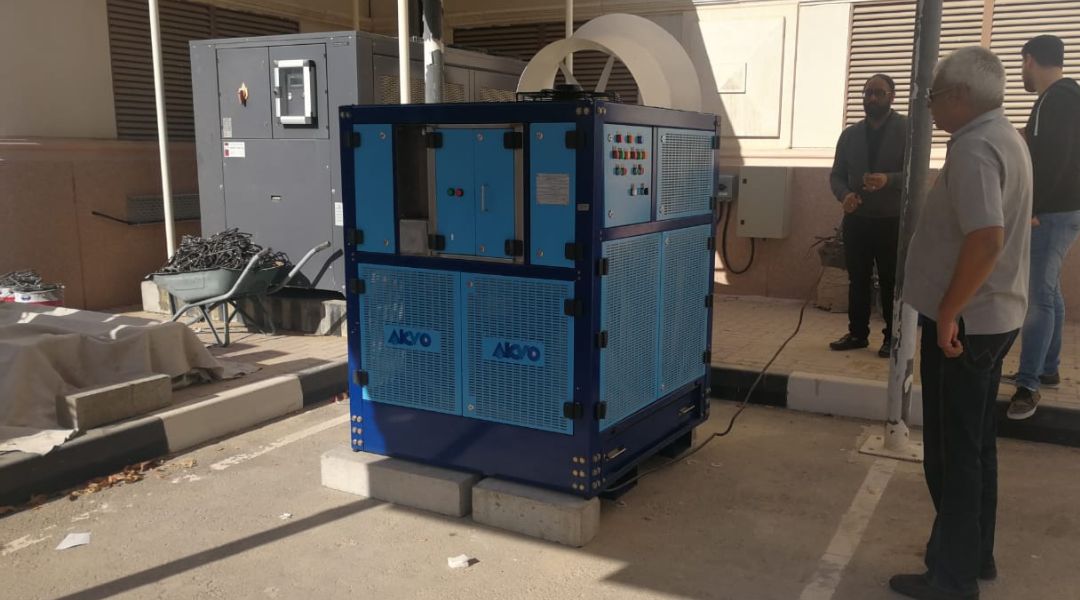
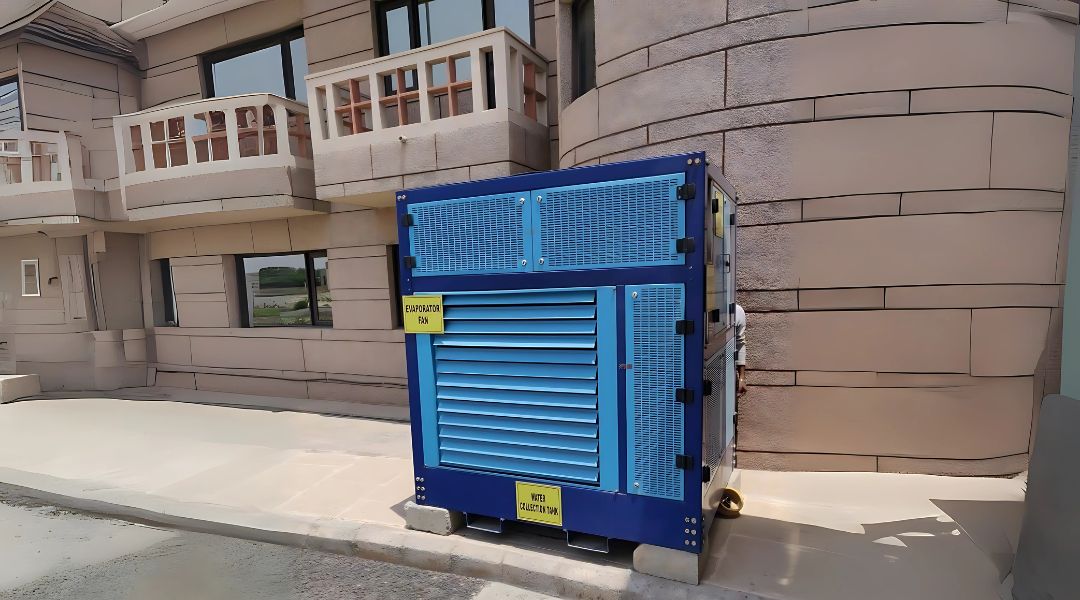
Akvo introduced a specially designed single-phase AWG system that could generate 300 liters of water per day. This innovative solution harnessed ambient humidity to produce water, bypassing the need for energy-intensive desalination or expensive water imports. The unfiltered water was ideal for agricultural applications, providing a fresh source of hydration for plants and landscapes around government facilities.

Impact

– Resource Optimisation: Enabled the Ministry to utilise a renewable source of water, significantly reducing the ecological footprint associated with traditional water sourcing methods.
– Operational Eiciency: The single-phase system was easy to install and required minimal maintenance, making it a practical solution for sustained agricultural support.
– Strategic Resilience: By adopting atmospheric water generation, the Ministry enhanced its water security strategy, ensuring a reliable supply even under adverse climatic condition.

Unkrate

THIS KOLKATA-BASED STARTUP IS PROVIDING WATER SCARCITY SOLUTIONS TO THE STATE GOVERNMENTS, MNCS AND OTHER COUNTRIES

The scarcity of water across the globe has reached an alarming level. 12 % of India’s population is already living the ‘Day Zero’ scenario, thanks to excessive groundwater pumping, an inefficient and wasteful water management system and years of deficient rains.

According to the Composite Water Management Index (CWMI) report released by the Niti Aayog in 2018, 21 major cities are racing to reach zero groundwater levels by 2020, affecting access for 100 million people. The report also states that by 2030, the country’s water demand is projected to be twice the available supply, implying severe water scarcity for hundreds of millions of people and an eventual 6% loss in the country’s GDP.

The Chennai Water Crisis of 2019 has established the harsh truth that we are depleting all sources of water. According to a report by WaterAid, a global advocacy group on water and sanitation, India has around 63.4 million people living in rural areas without access to clean water, more than any other country.

Call for Collaborative Effort

“Government cannot alone mitigate this human-made catastrophe, it has to be a collaborative effort with private entities or an innovation which makes people self-reliant and future-ready,” says Navkaran Singh Bagga, Founder and CEO of AKVO Atmospheric Water Systems, a Kolkata based start-up that produces indigenously manufactured atmospheric water generator.

Government has announced an ambitious target of providing piped clean drinking water to all rural households by 2024. Although a worthy goal, it is unclear how the government proposes to achieve this formidable target under the current circumstances.

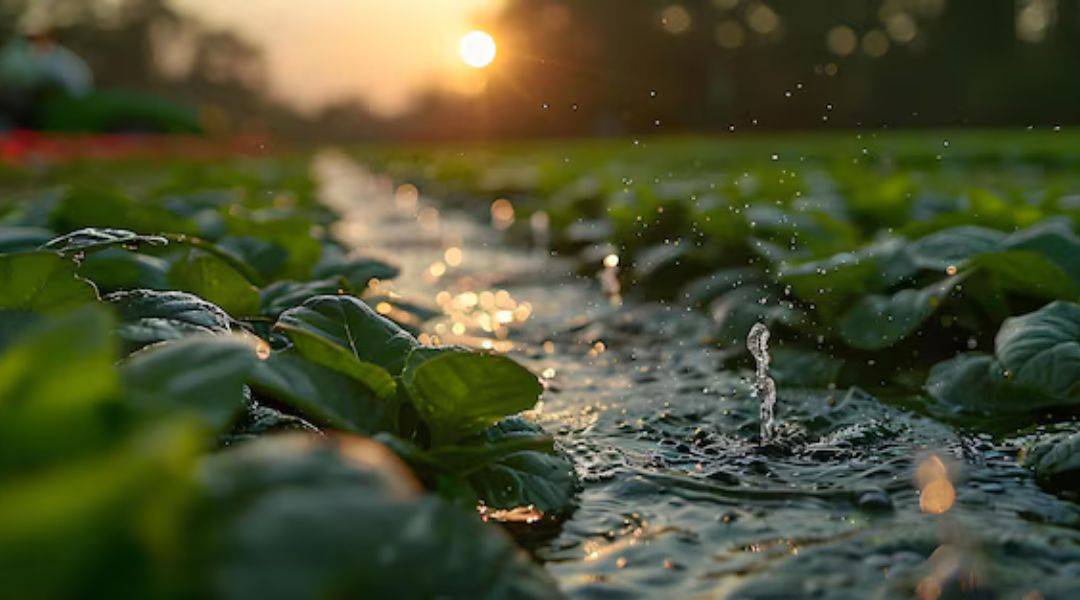
Bagga further adds, “Agricultural irrigation is one area that needs immediate discourse as it accounts for 90% of freshwater withdrawals. Farmers from water-stressed areas in India must be incentivized to not produce water-intensive crops. Natural aquifers and catchment areas must be preserved.”

Is there an immediate solution to the water crisis?

WHO states that an individual requires around 25 litres of water daily for meeting his/her basic hygiene and food needs. The world and our country needs an immediate and long term solution to the water issues.

However, Bagga believes that there cannot be an immediate solution to a human made disaster over centuries. He says, “It will require drastic measures that must be monitored and audited to find any long term solution.”

Talking about the seriousness of the water scarcity and how this problem needs to be dealt on a macro level, Bagga affirms, “Water must come at a price, only then people might understand the seriousness of the issue. The need is to focus on replenishing our natural dams – the aquifers and catchment areas. Rivers should not be polluted with harmful chemicals from the industry and other waste.”

He further adds, “There has to be a proper audit report on water usage. Each housing society must have its own rainwater harvesting system along with every Government building. Alternative technologies like Atmospheric Water Generator (AWG) that does not depend on any water source can be installed at offices, buildings, factories, villages, for safe and pure drinking water. Even the government should emphasize and invest more in alternative and eco-friendly sources of energy. 

Akvo’s AWG Technology – Producing Pure Drinking Water

Access to clean drinking water should not be a privilege for some, it should be a right for all. When the 1948 universal declaration on human rights was written, no one could foresee a day when water would be a contested area. But living in 2020, it is not an exaggeration to say that the lack of access to clean water is one of the greatest human rights violation in the world.

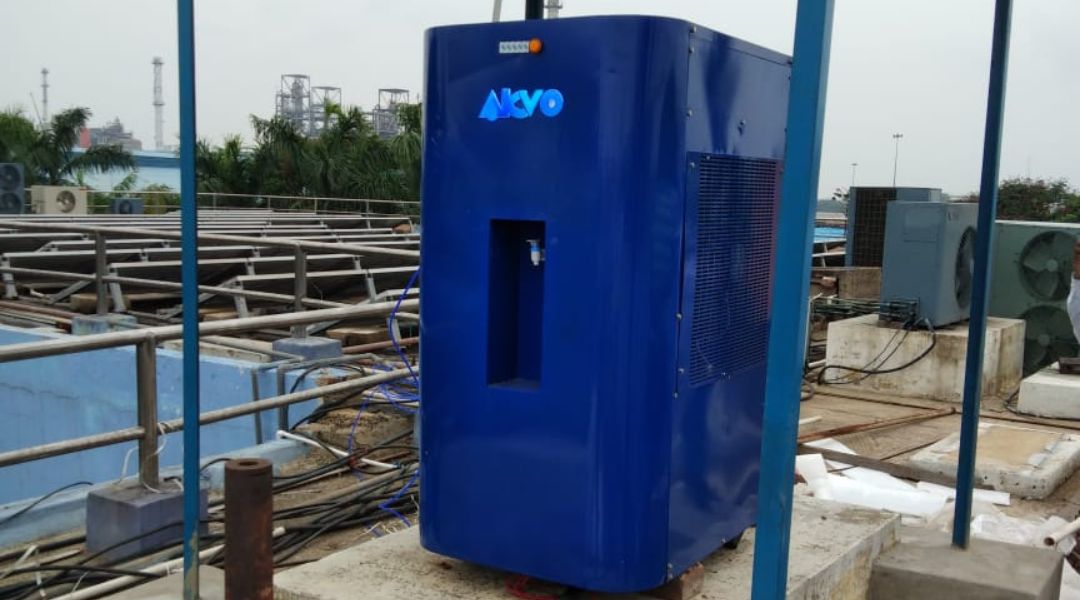
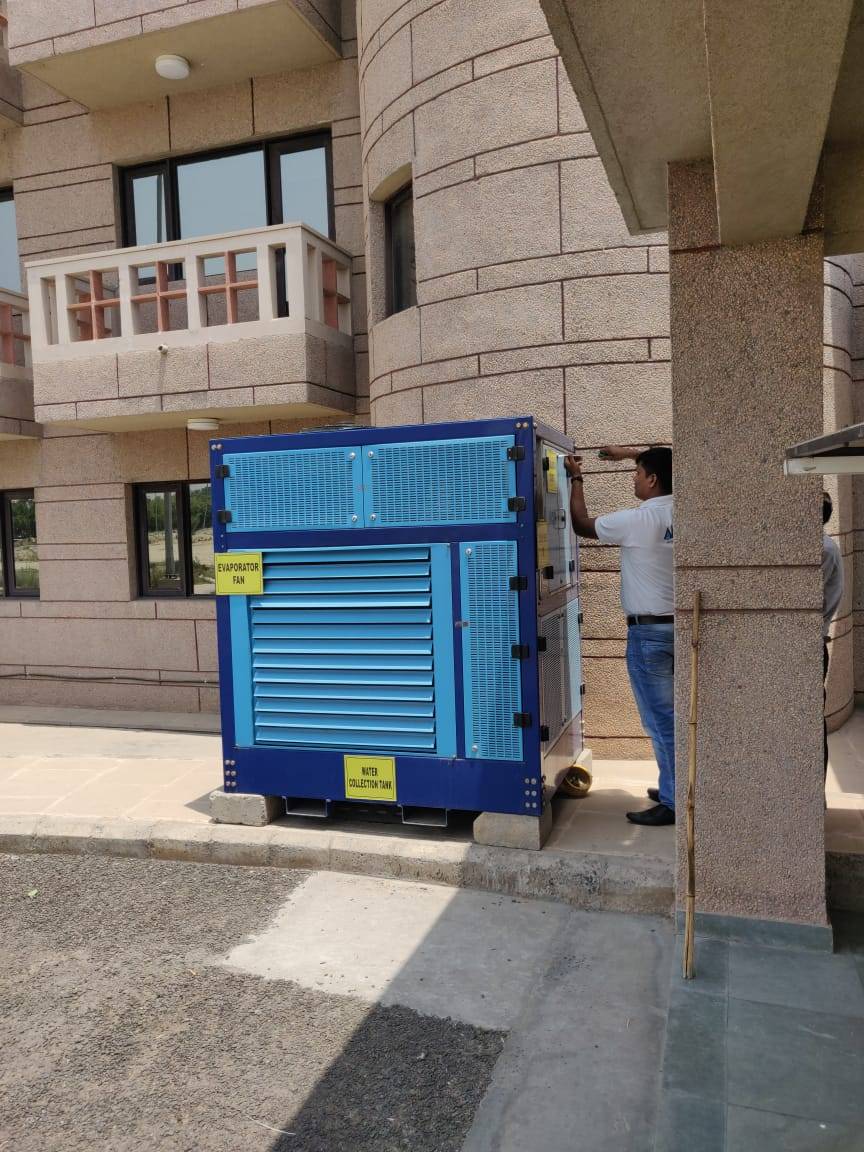
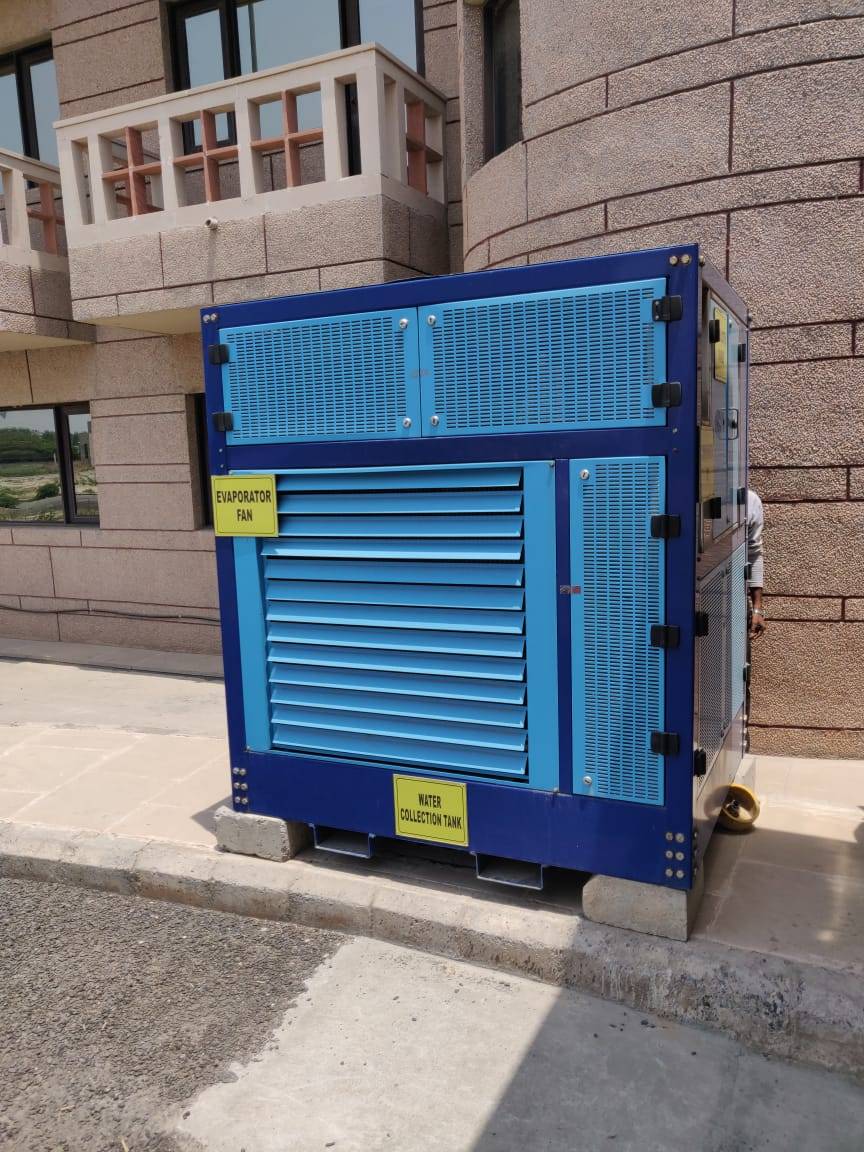
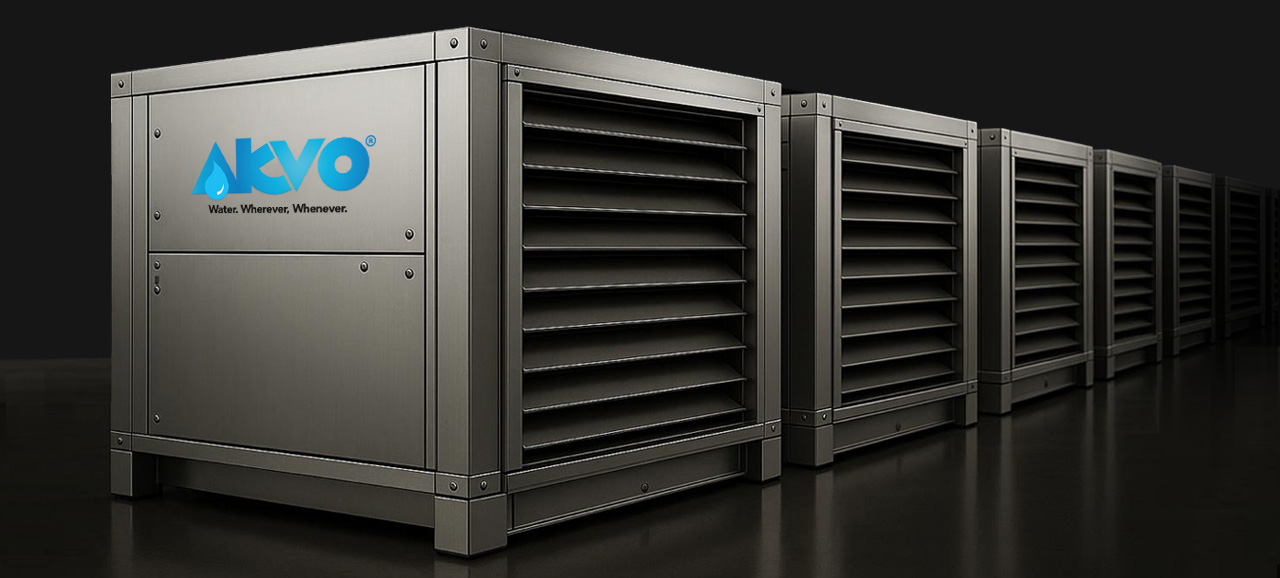
Akvo AWG replicates the natural process of condensation by simulating the dew point, which allows it to make water continuously using plug and play method. The machines can generate water entirely depending on the level of humidity and atmospheric temperature which is ideal for Indian conditions to function to its optimum level.

Akvo Pod

Akvo recently introduced the country’s first home model of Atmospheric Water Generator, AKVO Pod. It is ideal for homes, offices and small businesses. This unit can make up to 50 litres of pure drinking water per day. The Pod features a superior filter system that delivers clear and healthy drinking water. It works on a simple plug and play method and consumes half a unit of electricity to run for an hour.

Positive Impact of Akvo’s Projects Across the Globe

For a product like AKVO, the future is like a treasure box as there are multiple channels through which this product can serve the humanity as a whole. It is all about breaking the chain and setting a new order for the future generations.

Hardua Mangarh is a dusty hamlet in Damoh region of Madhya Pradesh, with a population of around 1,500 faced acute water scarcity with no proper water system even seven decades, post-independence. It was a daily ordeal for the populace of Damoh region to walk a minimum of 4 km and then form a human chain or human ladder going down the steep well to fetch a bucket of water.

The Public Health & Environment Department of Madhya Pradesh approached Akvo to come up with a solution. Now after a year of the installation of the Akvo 365K machine unit in Hardua Mangarh, villagers receive about 1000 ltrs of fresh drinking water every day from air.

Akvo also played an instrumental role in providing an alternative solution in water scarcity hit Chennai during the summer months of 2019 which drew global attention. The Greater Chennai Corporation had installed AKVO atmospheric water generator in its premises on a trial basis. The company is in talks with other big MNCs in Chennai to install the machine at its offices. Currently, over 50 machines have been installed in Chennai across schools, residential complexes, private institutions and other big names like NTPC and Indian Oil Corporation.

Hero Moto Corp has installed one machine in its plant in Haryana, and other government bodies are also trusting Akvo machines in providing clean drinking water. Six machines have been installed in Lakshadweep Island as well in association with the local government.

Over 44 AKVO machines have been installed at the Qatar FIFA World Cup 2022 stadium, with an order for over 350 more. To strengthen their proposition in the Middle East, Akvo have also installed a 300 litre machine at Sharjah Electricity and Water Authority.

Akvo’s roadmap

Currently, besides the industrial, corporate and housing complex units, Akvo is offering the 50-liter version of AKVO POD and will soon launch the 25-liter model for nuclear families as well. Bagga says, “We are also working incessantly on other smaller models which can replace bottled water at hotel rooms, reducing the plastic usage and also saving the environment.”

“We are 100% bootstrapped. We adopted this route as it will allow us to build a solid bottom-line focused business approach first. However, we are planning on raising funds soon. We are currently in talks with a few investors,” concludes Bagga.

Read full article https://unkrate.com/2020/07/this-kolkata-based-startup-is-providing-water-scarcity-solutions-to-the-state-governments-mncs-and-other-countries/?fbclid=IwAR3HG1vTv2MCNnhrbd2ZatPDDhQvOjN6X3rCIFl-3617A2ayCZAn974CS0Y

Chennai water crisis: A wake-up call for Indian cities

Dried-out taps, shutting down of schools, restaurants and hotels running out of business, police protection for protecting water resources, water being transported by train and tankers are not isolated events taking place in faraway places but are increasingly taking place almost every year in our neighbourhoods.

When situations like these strike an affluent and mega city, as it did in 2017-18 in Cape Town, they made headlines, bringing attention to the unfolding urban water crisis globally. Post Cape Town, multiple articles/reports pointed out the impending and existing water crisis for many Indian cities.

This year, it was Chennai that ran out of water.

The Chennai metropolitan area (CMA) — consisting of Chennai city, with a population of 4.9 million, and its adjoining areas — has an estimated population of 8.6 million and is the fourth-largest urban conglomerate in India.

Chennai was in the news four years ago for an entirely opposite reason but an equally serious situation — the unprecedented floods of December 2015, that drowned the city for many days, devastating lives and impacting businesses.

This year, the reservoirs that overflowed during the 2015-16 floods, dried out. Of Chennai’s total requirement of 830 MLD (million litres a day) water, the Chennai Metro Water Supply and Sewage Board(CMWSSB) was able to supply only about 525 MLD during the worst days of the crisis.

Empty reservoirs

The city of Chennai has four major reservoirs/lakes: Poondi, Cholavaram, Redhills and Chembarambakkam. These supply about 200 MLD of water. They fill up at the end of the Northeast monsoon (October-November) and supply water till the next monsoon season.

Post the 2015-16 season, the monsoon has been in deficit for two out of three years, with last year’s monsoon deficit being ~ 40 per cent. Due to a deficit monsoon this year, the reservoirs did not get filled up, bringing their combined storage to almost zero.

On June 30, 2019, the combined storage stood at just 18 million cubic feet (mcft) (0.1 per cent of total storage of 11,257 mcft). Last year, on the same day, the storage was 2,245 mcft. With a couple of months still left to go before rainfall, Chennai is in for a hard time in the coming months.

Chennai’s vanishing groundwater

Groundwater is extracted extensively, both within and outside Chennai city limits, to meet the city’s water demands. The CMWSSB and private tanker suppliers extract groundwater from rural areas on the outskirts of Chennai and transport it via tankers.

Within city limits, groundwater extraction takes place from about 0.42 million private groundwater wells, with 66 per cent of households having their own private wells. The result is overexploitation, with the city extracting almost twice the annual recharge.

Limited recharge due to the deficit monsoon and long-term indiscriminate groundwater extraction is making water tables fall rapidly, leading to wells drying up, deteriorating water quality and the risk of saline sea water ingress requiring well deepening or the search for wells further away from the city.

Dependence on tankers

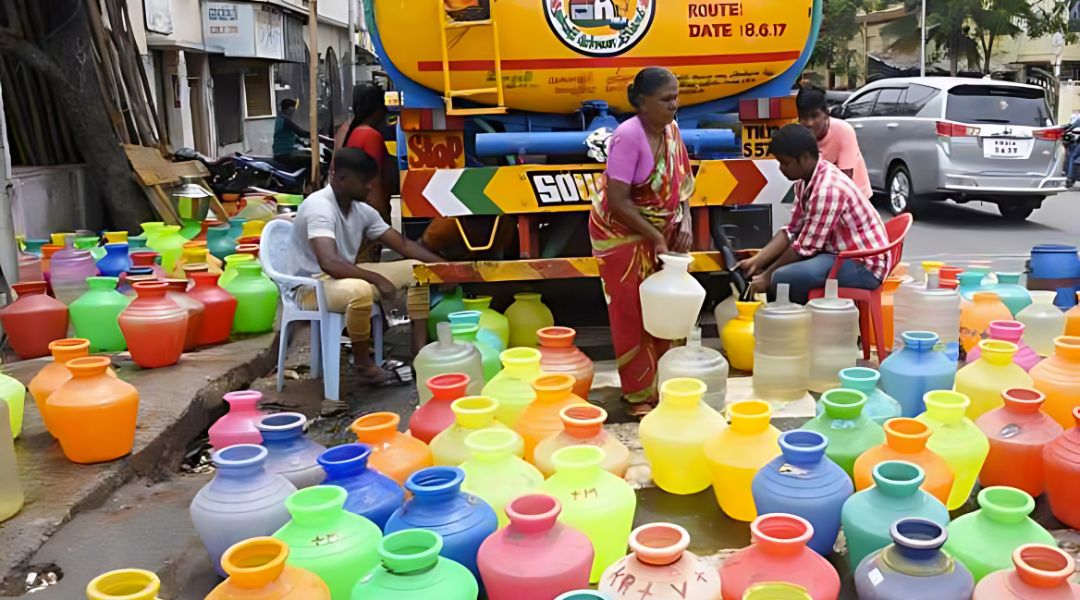
Tankers supplying groundwater from outside the city limits are Chennai’s lifeline. At the height of the crisis, there were about 700-900 CMSSWB tankers making 9,700 trips, two-three times the usual trips to compensate for loss of supply from reservoirs, supplying about ~ 100 MLD of water and 4,500-5,000 private tankers, making five-six trips daily, supplying ~ 200 MLD.

However, groundwater overexploitation was made worse by limited recharge this year. It led to conflicts and tensions brewing up in and around the surrounding urban-rural areas, where many people were against indiscriminate groundwater mining in their area, forcing tankers to travel longer distances.

Inequity of impacts

With most of the city’s water supply dependent on water tankers, the impact of the water crisis this year was disproportionately felt by the poor. A 9,000-litre tanker from CMWSSB cost Rs 700-Rs 800, whereas private companies charged Rs 4,000-Rs 5,000.

With demand outstripping supply, the waiting period for tankers from CMSSWB stood at 15-25 days. High prices and low availability of public tankers made water access unaffordable for the people living in slums and lower income societies. The cost of buying water for many came to almost half of their monthly income.

Bad planning or limit of resilience?

After the drought of 2000, Chennai made it mandatory for buildings to have rainwater harvesting systems (RWH) installed. Rainwater harvesting did  initially help to increase recharge and improving water tables.

However, there are concerns that over the years, poor implementation and lack of maintenance had led to many of these RWH systems becoming dysfunctional. With the water crisis on its doorstep now, city utilities have started a drive to check the efficiency of rainwater harvesting and install more.

RWH alone can do little when unregulated encroachments, illegal construction and indiscriminate pumping is pushing the city to limits. Due to rapid urbanisation and encroachment, the number of water bodies in Chennai have reduced to 28 (2017) from 60 (1893) and area under these water bodies has shrunk from 12.6 sq km to just 3.2 sq km, significantly affecting the city’s capacity to recharge depleted groundwater.

Chennai currently has two desalination plants supplying 200 MLD. After the current crisis, work on another desalination plant has been initiated that would supply 150 MLD at a cost of 1,259 crore by 2021, with a plan to add another of 400 MLD capacity.

Would these heavy investments save the city? Many believe that in a city with more than 1,000 mm rainfall, expensive desalination plants consuming lots of energy with negative environmental externalities might not be the best answer.

The financial sustainability of desalination plants is also in question, with utilities spending Rs 45-50 per 1,000 litre to produce potable water but charging Rs 3-5 from consumers.

Way forward

The 2019 crisis is a wake-up call for Chennai and other cities in India. With cities being the powerhouse of the economy, much more is required to make them sustainable and livable.

Integrated urban water management is the need of the hour, with no single effort or intervention being able to achieve long-term resilience. Within city limits, efforts should be put into rejuvenating its existing and lost water bodies, properly installing and managing rainwater harvesting systems and increasing the reuse of treated water.

With much of Chennai’s sources of water lying outside city limits, efforts need to be put in place to secure reservoir catchments, recharge groundwater and build partnerships with farmers and stakeholders. Otherwise, conflicts over water sources would keep increasing.

Time is running out and there is an urgent need to act now on conserving water.

Source: downtoearth.org.in
Sujith Sourab Guntoju is an intern, while Mohammad Faiz Alam and Alok Sikka are researchers at the International Water Management Institute, New Delhi. This column is a personal opinion and does not necessarily reflect the opinion of Down To Earth

The New Indian Express

Tech tonic for thirsty Chennai. Using Artificial Intelligence and smart meters, four entrepreneurs from India innovate feasible solutions to monitor consumption and wastage in water-starved Chennai.

Continue reading “The New Indian Express”

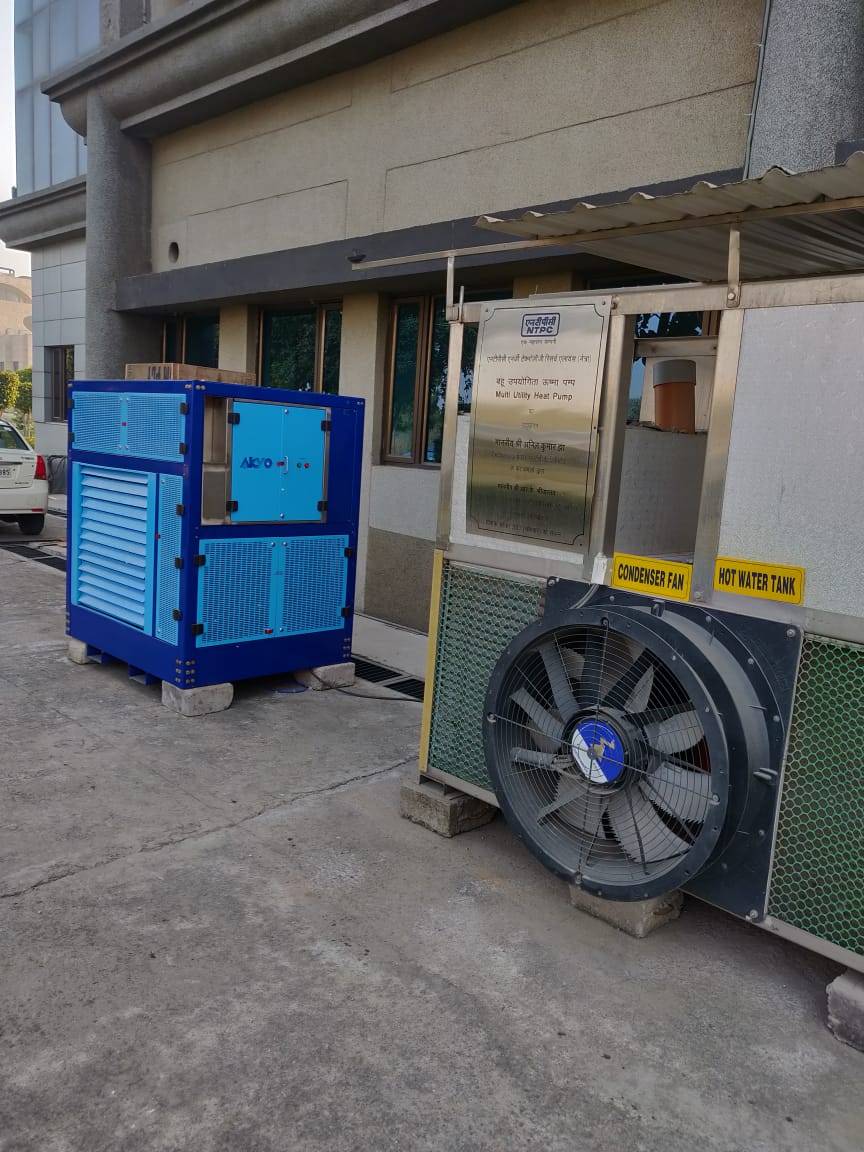
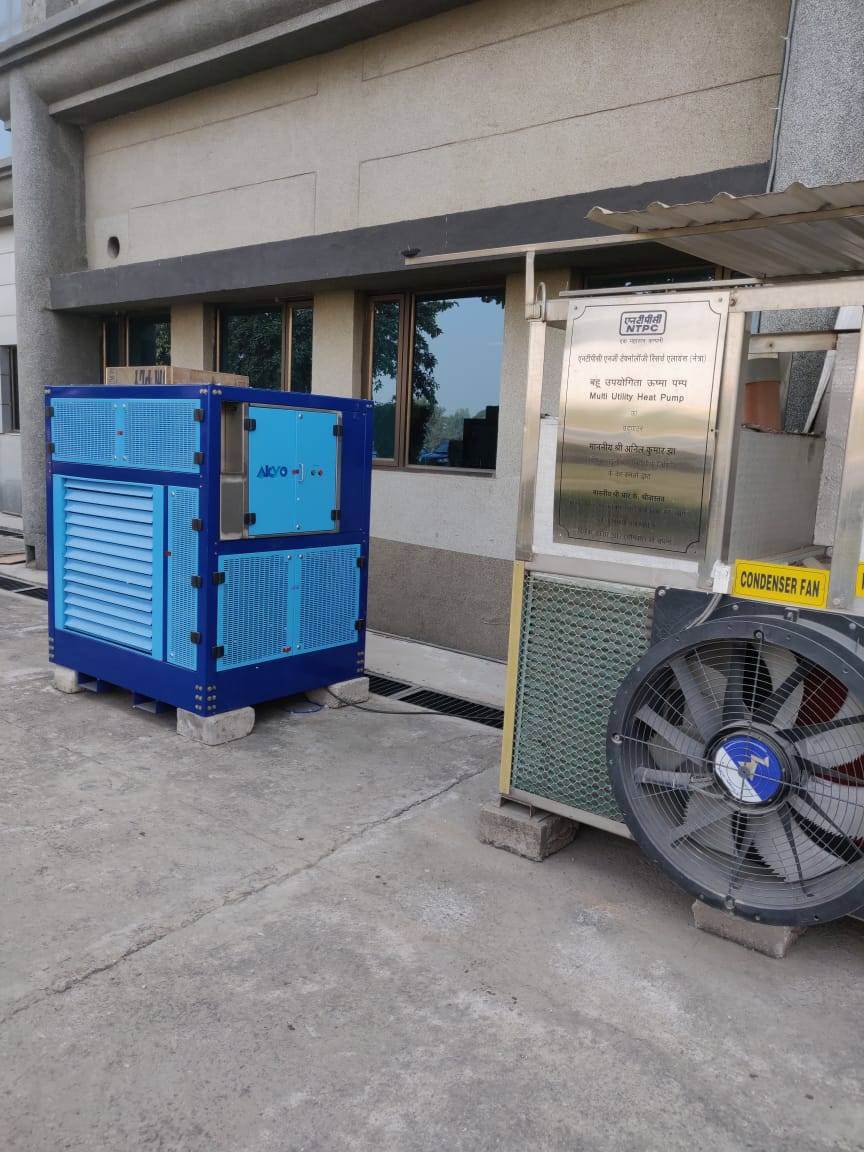
NTPC Netra Noida

NTPC is India’s largest energy conglomerate with roots planted way back in 1975 to accelerate power development in India. As a leading player in the world energy sector, NTPC recognized the potential of cutting edge technology in further improving its services and efficiency. Through its R&D arm NETRA (NTPC Energy Technology Research Alliance), NTPC wanted access to green and sustainable products to further its commitment towards society by doing their bit for to fight water scarcity.

They were looking to harness and use new technology to save water wastage while producing drinking water and they sought Akvo’s atmospheric water generator for the same.

Akvo provided & installed one 1000 LPD unit at their technical centre in Noida for the evaluation & usage study.

Water is free and is that the problem?

In the late afternoon a few days ago—having missed lunch—I went into a bakery to get a quick snack. Munching on a little pizza, I overheard a couple at the next table. She needed a napkin and he went to get one for her. He returned a moment later, not with one, but with a fistful, which was far more than they could have used even if they both spilled their coffee on the table. Continue reading “Water is free and is that the problem?”