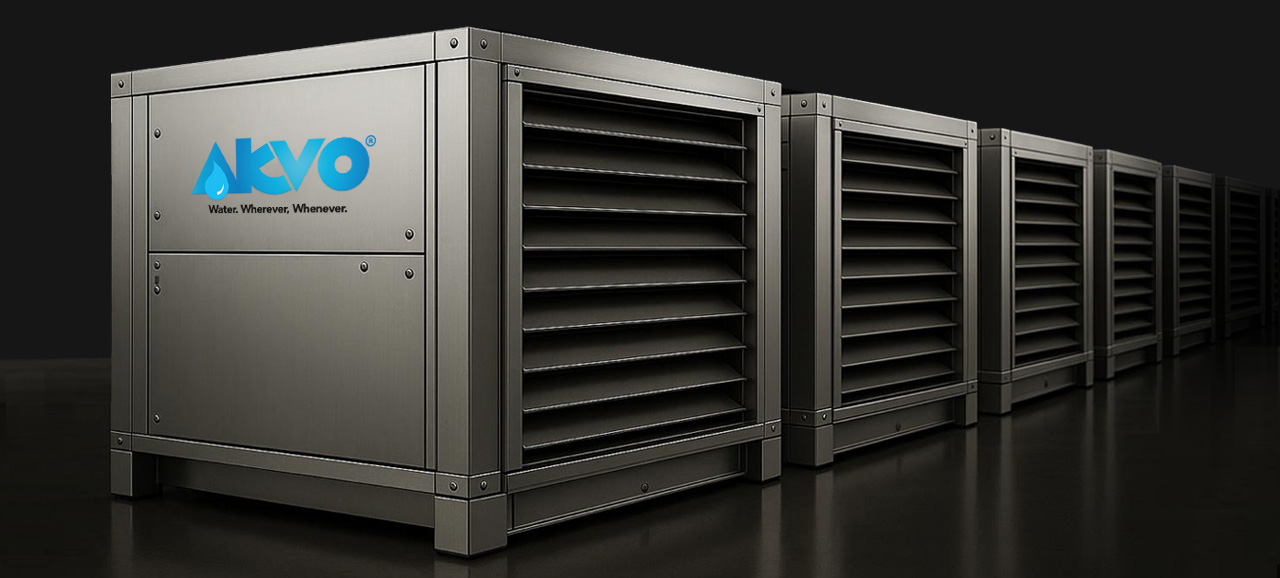
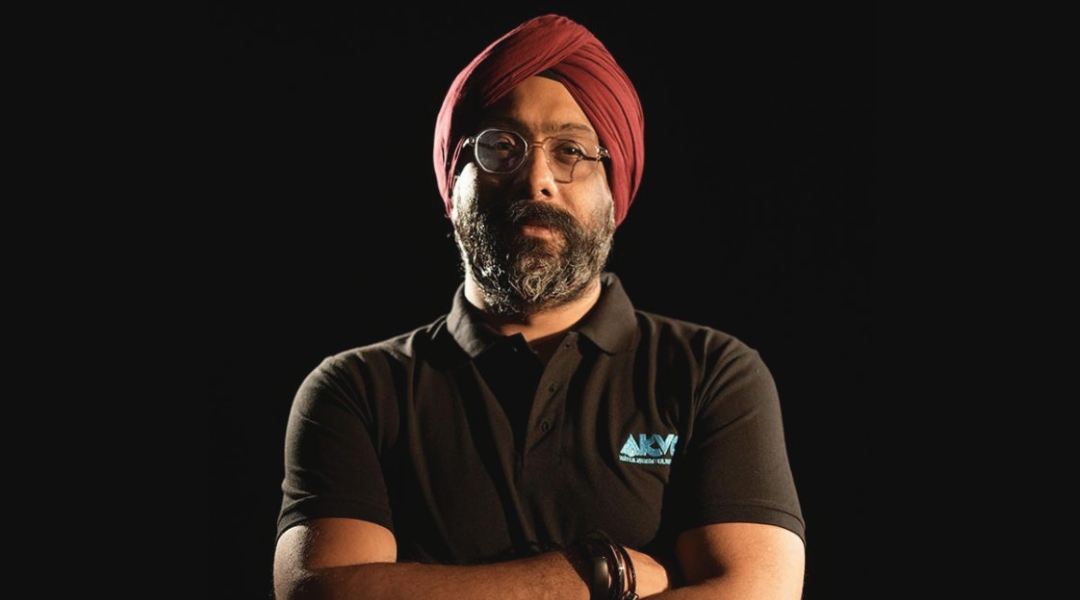
In this exclusive interview, Navkaran Singh Bagga, Founder & CEO of AKVO, shares how Atmospheric Water Generation (AWG) is redefining access to clean drinking water through sustainable, decentralized infrastructure built for a changing climate.
From Weather to Water Infrastructure
The idea behind AKVO wasn’t a single breakthrough moment—it came from repeatedly seeing communities depend on depleting groundwater and unreliable supply systems while overlooking the vast, renewable water source already present in the atmosphere.
By treating humidity as infrastructure rather than weather, AWG creates drinking water directly at the point of consumption, reducing dependence on pipelines, tankers, and stressed aquifers.
Making AWG More Energy Efficient
Energy use has long been one of the biggest criticisms of atmospheric water generation. At AKVO, improving the energy-to-water ratio became a core engineering focus.
Through optimized condensation cycles, heat recovery systems, intelligent controls, and renewable energy integration, AKVO continuously improves performance while adapting output to real-world climate conditions.
Beyond Collection: Delivering Safe Drinking Water
Generating water from air is only the beginning. The collected water undergoes a multi-stage treatment process including:
- Filtration and purification
- Controlled remineralization
- Continuous quality monitoring
This ensures the water consistently meets recognized drinking water quality standards and remains suitable for institutional and industrial use.
Making Adoption Easier with Water-as-a-Service
For many organizations, the challenge isn’t confidence in the technology—it’s the upfront investment.
AKVO’s pay-per-liter model lowers adoption barriers by allowing businesses and institutions to consume water as an operating expense instead of committing to large capital purchases from day one.
Building in India, for Indian Conditions
Localization remains a key focus for AKVO. Manufacturing and assembly continue to move deeper into India’s supply chain ecosystem while maintaining access to specialized global components where needed.
Building closer to deployment conditions also enables faster learning, better optimization, and stronger supply resilience.
The Future Is Decentralized Water
As cities face increasing water stress, Navkaran believes future water systems will not rely on one centralized source alone.
Instead, resilient cities will combine conventional supply with distributed water generation—deploying solutions across campuses, commercial spaces, public infrastructure, and industrial sites.
Advice for Climate-Tech Founders
Climate technology moves at the pace of physics, not software.
Navkaran’s advice to founders is simple: stay obsessed with the problem, expect long development cycles, and remain close to real-world deployment—because lasting innovation is built in the field.
You can read the full interview here