
Why India’s Next Infrastructure Shift Is Being Driven by Resilience
By Navkaran Singh Bagga, CEO & Founder, AKVO
For years, climate technology was treated as a sustainability initiative rather than a core business investment. That distinction is disappearing. As India accelerates its clean-energy transition, climate-tech is increasingly becoming part of the same enterprise conversation as cloud computing, AI, cybersecurity, and digital transformation.
Investment Is Signalling a Structural Shift
India’s climate-tech ecosystem has attracted significant capital over the past few years, with funding moving from early-stage experimentation toward larger, growth-focused businesses. This is a strong indicator that the market is maturing and that enterprises are beginning to view climate solutions as operational infrastructure rather than optional sustainability projects.
The Drivers: Policy, Energy Security, and Operations
Three forces are pushing climate-tech into the enterprise mainstream:
-
Energy security and the need to reduce dependence on imported energy inputs.
-
Regulatory evolution, including emerging carbon-market frameworks and emissions reporting requirements.
-
Operational resilience, as businesses seek greater control over critical resources such as energy and water.
Together, these factors are turning climate considerations into decisions that directly affect finance, operations, and technology teams.
Climate-Tech Is Entering the Enterprise Stack
Solutions such as carbon-accounting platforms, industrial IoT systems, energy-management software, and resource-monitoring technologies are now being evaluated through the same lens as other enterprise systems: integration, data quality, scalability, and total cost of ownership.
This means climate-tech is no longer managed only by sustainability teams—it is increasingly becoming a CIO, CTO, and facilities-management priority.
Water Resilience Is Becoming a Technology Decision
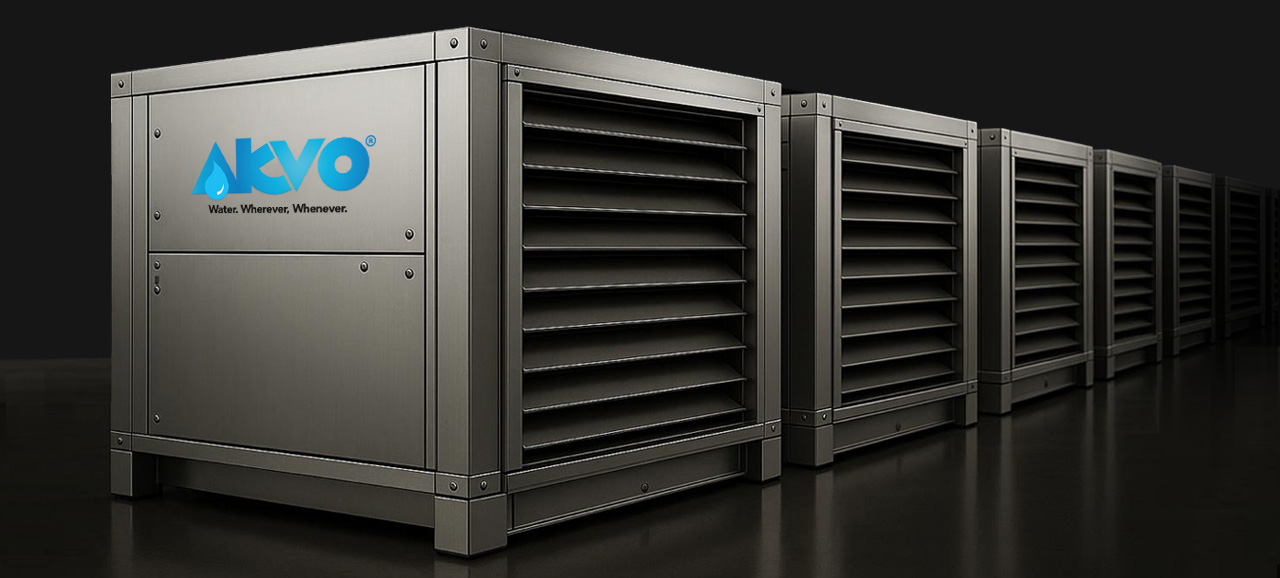
At AKVO, we have seen a clear shift in how organisations approach water security. Atmospheric water generation is no longer viewed merely as an innovative concept; many businesses are exploring it as decentralised infrastructure that can be monitored, controlled, and integrated into their facility operations.
While the technology is best suited to humid environments and requires careful engineering assessment, the broader trend is unmistakable: enterprises want greater ownership of the resilience of their essential inputs.
The Opportunity Ahead
The companies that integrate climate-tech into their digital and operational roadmaps today will be better positioned for evolving regulations, rising resource pressures, and future infrastructure challenges.
Climate-tech is no longer a category adjacent to enterprise technology—it is increasingly becoming enterprise technology itself.
You can read the full, unabridged piece here: expresscomputer.in