Every summer, India faces a familiar cycle of water shortages, only for the arrival of the monsoon to temporarily ease the crisis. But relying on seasonal rainfall is no longer enough. With growing urbanisation, declining groundwater levels, and increasingly erratic monsoons, cities must rethink how they secure their water supply.
India is home to nearly 18% of the world’s population but has access to only about 4% of the world’s freshwater resources. As per capita water availability continues to decline and groundwater reserves become increasingly stressed, dependence on a single source of water is no longer sustainable.
The solution lies in diversification. Cities need to build resilient water systems by combining multiple independent sources rather than relying solely on rainfall and groundwater.
One of the biggest opportunities is wastewater reuse. India generates over 72,000 million litres of wastewater every day, yet only a small proportion is treated. Expanding decentralised wastewater treatment and reuse can significantly reduce pressure on freshwater resources while supporting a more circular water economy.
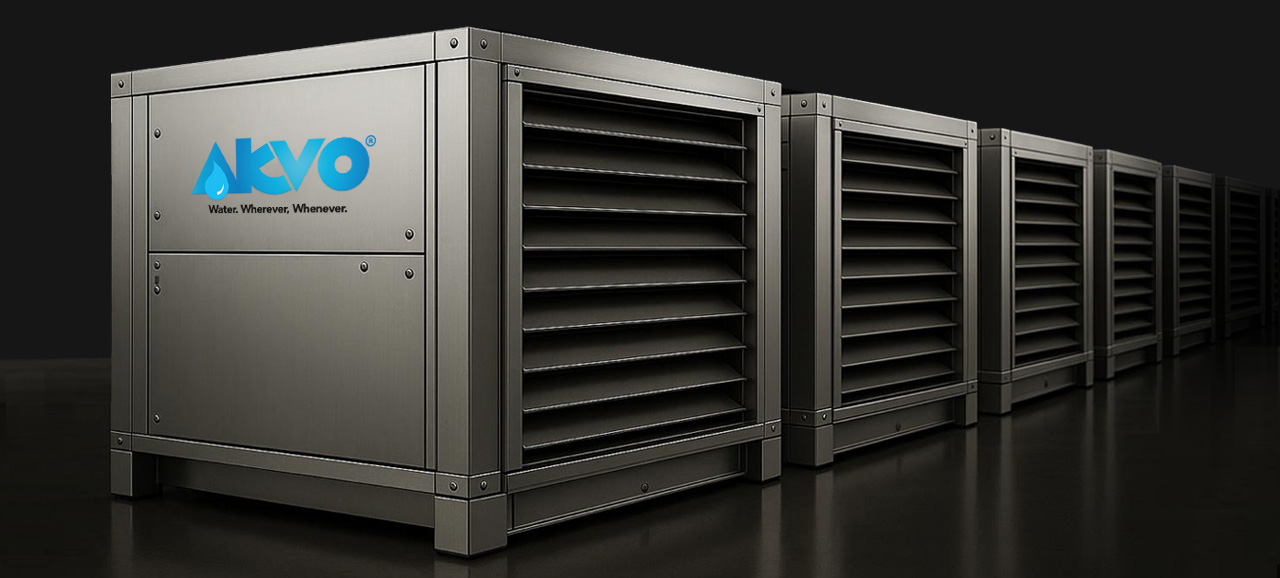
Another emerging solution is atmospheric water generation, which converts humidity in the air into potable water through controlled condensation. While its effectiveness depends on local climatic conditions, it offers a decentralised and infrastructure-independent source of drinking water that can complement existing supplies.
There is no single technology that can solve India’s water challenges. Just as the energy sector has embraced a diversified mix of renewable sources, the water sector must adopt a multi-source approach that combines conservation, reuse, innovation, and resilient infrastructure.
The monsoon will always remain important—but India’s water future cannot depend on it alone.
Read the original article here