News Byte

This Indian Company Is Turning Air Into Drinking Water

Amid growing global water scarcity, Akvo, an Indian startup, is redefining how we source drinking water—with machines that extract water from air.

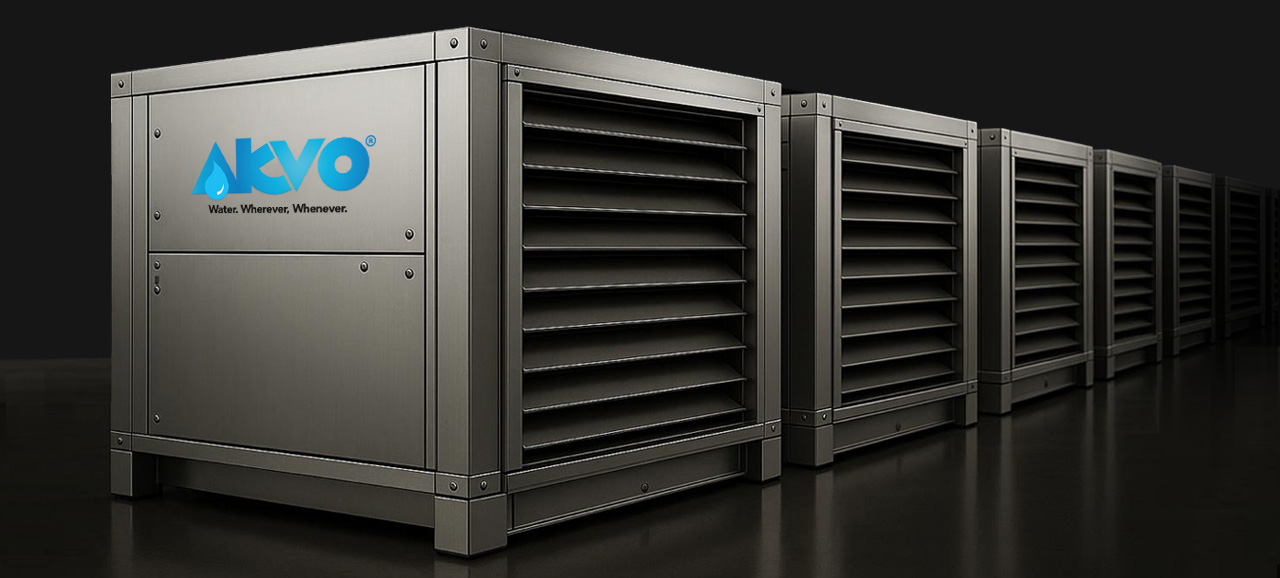
Using Atmospheric Water Generators (AWGs), Akvo captures moisture from the atmosphere, filters it, and condenses it into clean, potable water—mimicking the natural process of dew formation.

How It Works

Air is first passed through a triple-layer filtration system to remove dust and impurities. It’s then cooled below the dew point, causing moisture to condense into water droplets. These are collected and filtered multiple times to meet drinking water standards—offering a sustainable alternative to groundwater and bottled water.

Built for Versatility

According to Navkaran Singh Bagga, Founder and CEO of Akvo, the biggest challenge has been optimizing water yield while keeping energy consumption low. Innovations in heat exchange, filtration, and IoT monitoring have made Akvo’s AWGs more efficient and affordable.

While best suited for warm and humid environments, Akvo’s systems are designed to operate even in moderate humidity, making them viable in a wide range of climates.

A Renewable Water Source

Akvo’s AWGs tap into the Earth’s atmosphere—an inexhaustible source holding over 3,100 cubic miles of water vapor. Unlike groundwater depletion or energy-intensive desalination, this approach is low-impact and climate-resilient.

“Atmospheric water generation offers a renewable, decentralized solution for communities facing droughts and water pollution,” says Bagga.

The Print

Futuristic Water Tech: From Rain Energy to Atmospheric Water

As India faces intensifying water scarcity due to climate change, researchers and innovators are exploring futuristic solutions beyond traditional groundwater and surface water sources.

On World Water Day, experts spotlight breakthroughs like atmospheric water generation (AWG) and rain energy harvesting. One of the notable efforts comes from Akvo Atmospheric Water Systems Pvt. Ltd., led by CEO Navkaran Singh Bagga. The company recently launched its Water-on-Want (WoW) initiative for corporates in Tamil Nadu, Karnataka, Maharashtra, and Gujarat. The program operates on a zero-CAPEX, OPEX-based BOOT model, providing clean drinking water via AWGs with a minimum daily offtake of 500 litres.

“WoW removes financial barriers to sustainable water. We install, own, and operate the systems—clients only pay per litre used,” said Mr. Bagga.

Meanwhile, researchers like Dr. Visakh Vaikuntanathan at Shiv Nadar University are studying ways to harness rain energy, developing dual-use solar-rain cells that generate power from both sunlight and rainfall.

With climate change threatening Himalayan glaciers that feed India’s rivers, experts like Dr. Dipankar Saha warn that urgent tech-driven interventions are critical. Companies like Suhora are using satellite intelligence to monitor glacial changes and prevent disasters.

A 2018 NITI Aayog report projected that by 2030, India’s water demand may double its supply—making such innovations more vital than ever.

Dev Discourse

Harnessing Rain Energy and Atmosphere: The Future of Water Sustainability

As climate change threatens freshwater availability, experts are advancing innovative solutions like rain energy harvesting and atmospheric water generation.

Dr. Visakh Vaikuntanathan of Shiv Nadar University is developing ‘all-weather’ cells that harness energy from raindrops and sunlight, integrating seamlessly with rooftops and drainage systems.

Simultaneously, Navkaran Singh Bagga, CEO of Akvo Atmospheric Water Systems, leads the way in generating clean drinking water from air humidity. With operations in 15 countries, Akvo’s Water-on-Want (WoW) initiative, now live in multiple Indian states, offers sustainable, no-CAPEX water access through a BOOT model.

As Himalayan glaciers shrink, technology is also vital in monitoring melt patterns to manage future water flow. On World Water Day, these pioneering efforts shine as hope for water resilience in India.

India Today

Akvo, an Indian company, has developed innovative Atmospheric Water Generators (AWGs) that extract potable water from the humidity in the air. These machines simulate natural condensation to generate clean drinking water, providing an eco-friendly and sustainable alternative to groundwater extraction and desalination.

The AWG process involves pulling air through a three-layer filtration system to remove dust, cooling the air to condense moisture, and storing the collected water in a tank. The water undergoes multiple filtration stages before it is ready for consumption.

Ideal for warm, humid environments, the technology works best in coastal regions with temperatures between 21°C to 32°C and humidity over 40%. Akvo’s AWGs also function in moderate humidity, making them adaptable to various climates.

AWGs tap into the abundant resource of atmospheric water vapor, making them a renewable, low-impact solution for communities suffering from water scarcity, pollution, and inadequate infrastructure. The technology offers a sustainable future for water security, particularly as climate change exacerbates global water crises.

For more information, read the original blogpost here.

DT Next

As India battles rising water scarcity worsened by climate change and extreme weather, researchers and innovators are pushing beyond conventional methods to secure sustainable water sources.

On World Water Day, attention turns to ideas like rain energy harvesting, atmospheric water generation (AWG), and glacier monitoring.

Dr. Visakh Vaikuntanathan of Shiv Nadar University is working on converting the kinetic energy of rain—typically lost as sound—into usable energy through “all-weather” cells that act as both solar and rain-powered generators. His team uses IMD data to estimate rainfall energy and aims to create a rain energy map for India.

Meanwhile, atmospheric water is emerging as a dependable source. A study in Nature outlined a sorption-based atmospheric harvesting system that could revolutionize agriculture.

Navkaran Singh Bagga, CEO of Akvo Atmospheric Water Systems, highlights the company’s use of AWG technology in 15 countries. Akvo’s newly launched Water-on-Want (WoW) initiative in four Indian states (TN, KA, MH, GJ) offers water generation on an OPEX-based BOOT model, eliminating upfront CAPEX and ensuring a minimum of 500 LPD for corporates.

“The WoW model removes financial risk and promotes sustainable access to water,” said Mr. Bagga.

Technologies are also crucial for glacier monitoring, with experts like Dr. Dipankar Saha warning of the cascading effects of glacial melt on India’s rivers and groundwater. Companies like Suhora are applying satellite data and predictive analytics to monitor glacial changes and prepare communities.

India’s looming water crisis—projected to worsen by 2030 with demand outpacing supply—calls for urgent adoption of such innovative solutions.

To read the full article visit: DT Next

MSN

Futuristic Water Solutions Tackle India’s Growing Crisis

As climate change intensifies water scarcity, researchers and tech innovators in India are turning to forward-looking solutions like atmospheric water generation, rain energy harvesting, and glacier monitoring.

Marking UN World Water Day, experts highlight how India—home to 18% of the world’s population but just 4% of its water—must adopt disruptive approaches. Innovations include satellite-based glacier analysis by Suhora, early warning systems for disaster mitigation, and predictive tools to manage shrinking Himalayan resources.

The 2018 NITI Aayog report warned that India could face a 6% GDP loss by 2030 due to water shortages. As pressures mount, these technologies represent a critical shift toward sustainable and secure water futures.

To read the full article visit here.

The Week

As climate change intensifies and extreme weather events strain freshwater availability, Indian researchers and innovators are exploring cutting-edge solutions to tackle water scarcity. On World Water Day, attention turns to ideas that go beyond conventional sources like groundwater and surface water.

Harnessing Rain Energy
Dr. Visakh Vaikuntanathan and his team at Shiv Nadar University are working on an innovative concept: extracting energy from rainfall. Their research focuses on “all-weather cells” that function as both solar and rain-powered energy units. By calculating rainfall intensity and raindrop energy using IMD data, they aim to build a rain energy map and harvest kinetic energy through rooftops and drainage systems.

Water from Air: A Real-World Solution
Another futuristic technology making real-world impact is atmospheric water generation (AWG). Navkaran Singh Bagga, CEO of Akvo, leads the way with machines that pull humidity from the air and turn it into clean drinking water. Operating in 15 countries, Akvo offers eco-friendly, decentralized water systems with zero upfront costs through its BOOT model. The company recently launched the Water-on-Want (WoW) initiative, providing sustainable water solutions to corporates across India.

“AWG offers a reliable and green alternative to depleting water resources,” says Bagga. “It’s scalable, efficient, and built for future resilience.”

Technology and the Himalayas
In the Himalayan region, melting glaciers are altering river flows and threatening water security. Experts like Dr. Dipankar Saha from MRIIRS emphasize the need for urgent intervention. Companies such as Suhora are using satellite data, sensors, and predictive analytics to monitor glacial changes and help reduce disaster risks.

With India home to 18% of the global population but only 4% of freshwater resources, such innovative technologies are not just promising – they’re essential.

To read the full article visit here.

Sustainability Karma

How Technology is Solving the Global Water Crisis

Water scarcity is one of the most urgent challenges of our time, with over two billion people lacking access to safe drinking water. Climate change is making things worse, causing more frequent droughts and floods, while pollution and overuse are depleting freshwater sources. By 2025, half of the world’s population is expected to live in water-stressed regions.

Fortunately, technology is stepping up to help bridge the gap between water demand and supply. From cutting-edge filtration systems to smart water management, innovations are revolutionizing how we source, purify, and conserve water.

Game-Changing Water Technologies

🔹 Desalination & Filtration – Modern desalination plants and portable purification devices are making seawater and contaminated water safe to drink with improved energy efficiency.

🔹 Water-from-Air Technology – Atmospheric Water Generators (AWGs) pull moisture from the air and turn it into clean, drinkable water, mimicking nature’s rain cycle.

🔹 Smart Water Management – Sensors, AI, and IoT devices monitor water usage in real time, detecting leaks and optimizing consumption in cities and industries.

🔹 Success Stories Around the World

  • Israel recycles wastewater and leads in desalination, achieving near-total water independence.

  • India & the Middle East use AWGs to supply clean water to remote communities.

  • Singapore & Las Vegas use AI-powered water systems to cut wastage and improve efficiency.

The Future of Water Security

Innovations like solar-powered desalination and AI-driven watershed management are shaping the future of water sustainability. The challenge is huge, but with continued investment, collaboration, and smart technology, we can turn the tide on water scarcity.

💡 Water is life. By embracing technology, we can secure it for generations to come.

Read the full article here

The CSR Universe

Water-on-Want: Akvo Launches Sustainable Water Solution for Corporates

Akvo Atmospheric Water Systems Pvt Ltd has officially launched its Water-on-Want (WoW) initiative, a breakthrough in sustainable water access for businesses in Tamil Nadu, Karnataka, Maharashtra, and Gujarat.

The program operates under an OPEX-based Build Own Operate Transfer (BOOT) model, allowing companies to access Akvo’s cutting-edge Atmospheric Water Generators (AWGs) without upfront capital investment (CAPEX). Businesses pay only for the water they use, with Akvo handling equipment ownership, installation, maintenance, and operation.

After an 18-month pilot, WoW is now a fully optimized solution offering minimum daily off-take starting at 500 LPD. The model removes financial and operational barriers while promoting eco-conscious corporate water practices.

“WoW is not just technology—it’s a business model that allows companies of all sizes to adopt sustainable water practices without financial strain,” said Navkaran Singh Bagga, CEO & Founder of Akvo.

By eliminating CAPEX and introducing a pay-as-you-go structure, WoW merges sustainability with cost-efficiency—benefiting both companies and the planet.

Techgraph

This is a major problem worldwide; it affects billions of people in homes, villages, and towns. Population increases, climate change and limited water resources make the situation worse and thus require innovative approaches.

In the current world, technology is still rising as the key driver and is changing the way that water is harvested, treated, and transported to communities across the world.

This has been one of the most important developments in the last few years with the development of atmospheric water generation technology. These systems pull the moisture from the air and produce clean drinking water that can be taken to areas with limited infrastructure. Air water generators can work in almost all kinds of climate conditions and provide water solutions to people in arid areas and areas that have been affected by disasters. This technology is further improved by the developments in the design of solar-powered and energy-saving systems, which make this technology a better option than conventional water sources.

In addition to management, new technologies are available that are creating a change in the way that water is gathered and stored by the communities. The application of IoT sensors, data analysis, and cloud computing enable the real-time monitoring of water quality, distribution systems, and consumption trends. Local authorities and utilities can save time and cost on repairs and prevent losses and pollution by identifying leaks, tolerances, or overuse of water. This degree of data granularity also assists policymakers in making better decisions on water control and management and the utilization of resources.

Other filtration and purification technologies also enhance the community’s water resilience. Graphene-based filters and other new-age materials can filter out pollutants and microbes and provide safe drinking water even in highly industrialized waters. Along with these technologies, portable purification devices also help people during personal requirements and during calamities, thus protecting the health of people in vulnerable populations.

This is because water tech solutions are not applied in isolation. New technologies cannot work effectively on their own; they need to be integrated into wider strategies that include education, infrastructure development, and community participation for the sustainability of the interventions. One of the other ways is training the local people on how to use and maintain the new technology so that they own it. Private public partnerships and social enterprises also have a significant role to play. These partnerships help economically disadvantaged communities access clean water by investing in reusable and scalable systems, subsidizing distribution costs, and providing microfinance solutions.

In conclusion, the integration of innovation, policy, and the power of community is the way forward to closing the water divide. From atmospheric water generation to the latest filtration systems and IoT-based monitoring, each new technology is helping to create stronger, more independent communities. If all the stakeholders and donors remain committed to their efforts, we may one day be able to provide safe water to people no matter where they are in the world.

With the help of technology and people’s cooperation, water can be transformed to be the source of improvement, health, and the future we desire for everyone, anywhere.

Written by
Navkaran Singh Bagga,
CEO & Founder, AKVO