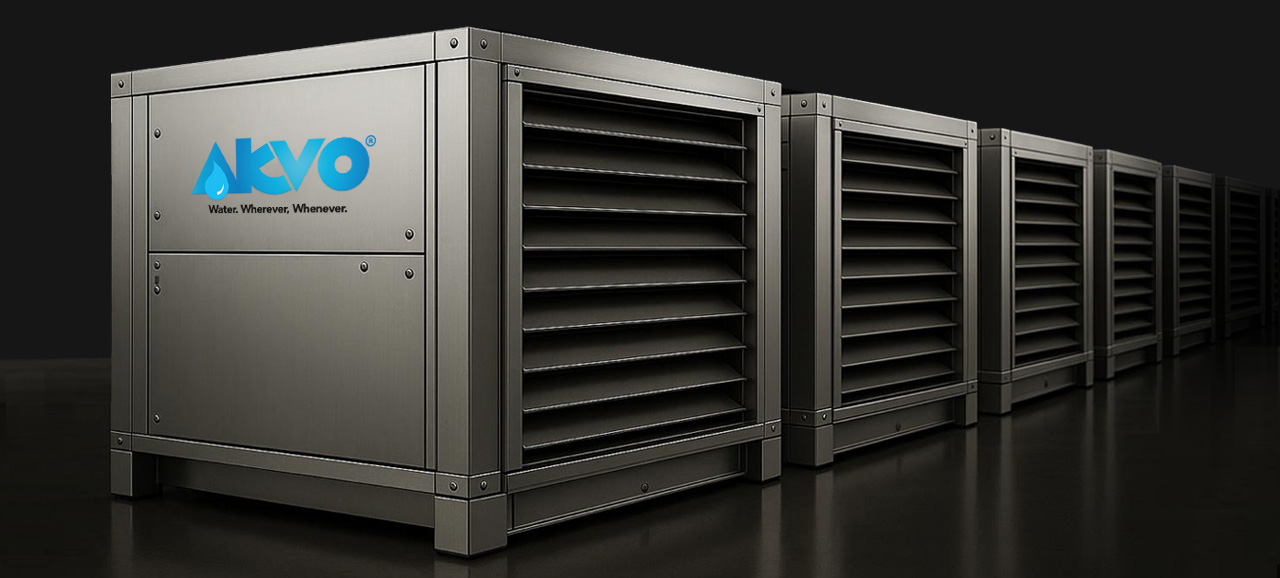
Techgraph

This is a major problem worldwide; it affects billions of people in homes, villages, and towns. Population increases, climate change and limited water resources make the situation worse and thus require innovative approaches.

In the current world, technology is still rising as the key driver and is changing the way that water is harvested, treated, and transported to communities across the world.

This has been one of the most important developments in the last few years with the development of atmospheric water generation technology. These systems pull the moisture from the air and produce clean drinking water that can be taken to areas with limited infrastructure. Air water generators can work in almost all kinds of climate conditions and provide water solutions to people in arid areas and areas that have been affected by disasters. This technology is further improved by the developments in the design of solar-powered and energy-saving systems, which make this technology a better option than conventional water sources.

In addition to management, new technologies are available that are creating a change in the way that water is gathered and stored by the communities. The application of IoT sensors, data analysis, and cloud computing enable the real-time monitoring of water quality, distribution systems, and consumption trends. Local authorities and utilities can save time and cost on repairs and prevent losses and pollution by identifying leaks, tolerances, or overuse of water. This degree of data granularity also assists policymakers in making better decisions on water control and management and the utilization of resources.

Other filtration and purification technologies also enhance the community’s water resilience. Graphene-based filters and other new-age materials can filter out pollutants and microbes and provide safe drinking water even in highly industrialized waters. Along with these technologies, portable purification devices also help people during personal requirements and during calamities, thus protecting the health of people in vulnerable populations.

This is because water tech solutions are not applied in isolation. New technologies cannot work effectively on their own; they need to be integrated into wider strategies that include education, infrastructure development, and community participation for the sustainability of the interventions. One of the other ways is training the local people on how to use and maintain the new technology so that they own it. Private public partnerships and social enterprises also have a significant role to play. These partnerships help economically disadvantaged communities access clean water by investing in reusable and scalable systems, subsidizing distribution costs, and providing microfinance solutions.

In conclusion, the integration of innovation, policy, and the power of community is the way forward to closing the water divide. From atmospheric water generation to the latest filtration systems and IoT-based monitoring, each new technology is helping to create stronger, more independent communities. If all the stakeholders and donors remain committed to their efforts, we may one day be able to provide safe water to people no matter where they are in the world.

With the help of technology and people’s cooperation, water can be transformed to be the source of improvement, health, and the future we desire for everyone, anywhere.

Written by
Navkaran Singh Bagga,
CEO & Founder, AKVO

Times Now News

Transforming Air into Water: How Akvo is Solving the Water Crisis

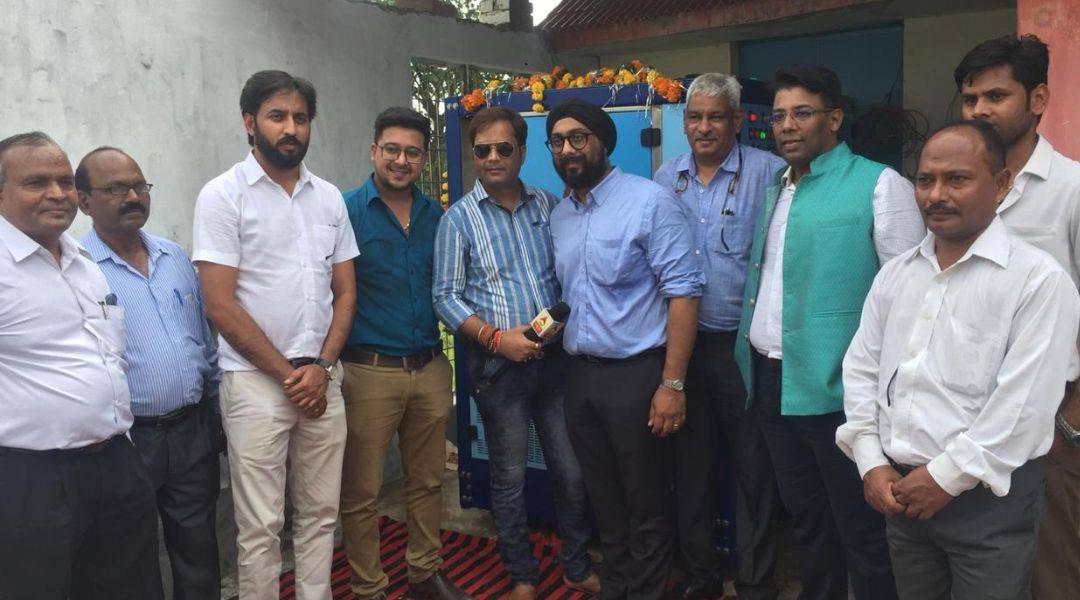
Access to clean drinking water remains a major challenge in many parts of the world. In Hardua Mangarh, a village in Madhya Pradesh, residents struggled daily for safe water. Women and children walked miles to collect water, often from contaminated sources. The dry months made water even scarcer.

This changed when Akvo, led by Navkaran Singh Bagga, introduced Atmospheric Water Generator (AWG) technology. Instead of relying on wells, rivers, or government tankers, the villagers now generate their own drinking water—directly from the air.

Who is Navkaran Singh Bagga?

At 38, Navkaran Singh Bagga, based in Kolkata, transitioned from family businesses in steel, hospitality, and trade to water technology. Around 2016-17, he identified water scarcity as a critical global issue. Discovering Atmospheric Water Generators (AWGs), he saw an opportunity to create water from air, independent of existing sources, and developed solutions for industrial and community use.

How Does It Work?

The AWG system mimics nature’s condensation cycle. It pulls in air, filters dust and contaminants, then cools it to dew point, turning vapor into liquid. The water undergoes multi-stage filtration, including UV sterilization, before being made available for consumption.

Overcoming Challenges

Many were skeptical of drawing water from air. Additionally, the technology needed optimization for drier climates. Bagga’s team worked on improving efficiency, affordability, and integrating AWGs with solar power for off-grid solutions, aiming to make air-to-water technology mainstream.

A Sustainable Future

“Climate change is making traditional water sources unreliable,” says Bagga. “But air is everywhere—if we tap into it efficiently, we can create water where it’s needed.”

Akvo is driving towards a future where clean water is accessible without depleting natural resources. By merging innovation with sustainability, AWG technology has the potential to revolutionize water accessibility worldwide.

To read the full article, click here.

Hindustan Times

The global water crisis, exacerbated by climate change, urbanization, and population growth, requires immediate and innovative action. Navkaran Singh Bagga, CEO & Founder of AKVO, highlights how technology is reshaping water management for a sustainable future. Digital tools like IoT sensors, satellite imagery, and AI-driven analytics enable real-time monitoring and predictive insights, allowing water managers to address issues before they escalate. Circular water economies and advanced wastewater treatment further contribute by transforming waste into reusable water, reducing reliance on dwindling freshwater sources.

Equally groundbreaking is Atmospheric Water Generation (AWG), which harnesses moisture from the air to produce safe drinking water, even in arid regions. Precision agriculture and smart irrigation optimize water use in farming, addressing a sector responsible for 70% of global water withdrawals. Achieving global water resilience, however, requires more than technology; collaborative ecosystems, supportive policies, and community empowerment are critical. By leveraging innovation, fostering partnerships, and ensuring equitable access, we can transition from crisis to sustainability.

Read the full article here.

Abu Dabhi – Sustainable agriculture with atmospheric water generation

Location: Abu Dhabi, UAE
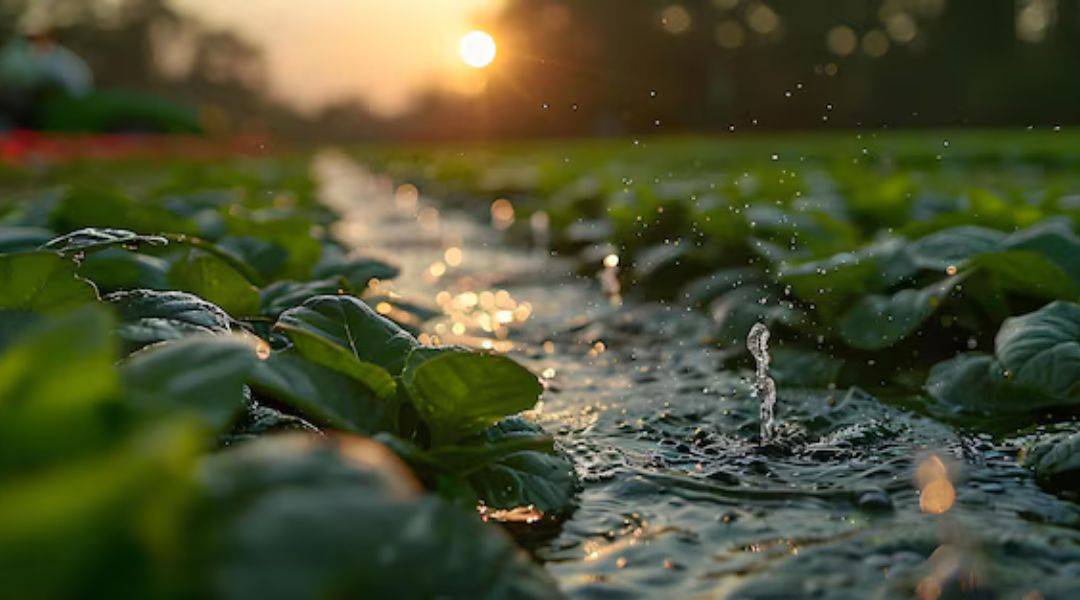
Usage: Unfiltered water generation for agricultural use
Setup Type: AWG (Atmospheric Water Generator)

Background

In the arid environment of Abu Dhabi, where water scarcity is a constant challenge, the Ministry of Presidential Aairs sought a sustainable solution for agricultural water needs. Traditional methods were either too expensive or environmentally unsustainable. A forward thinking approach was required to support local agriculture without straining limited water resources.

Solution

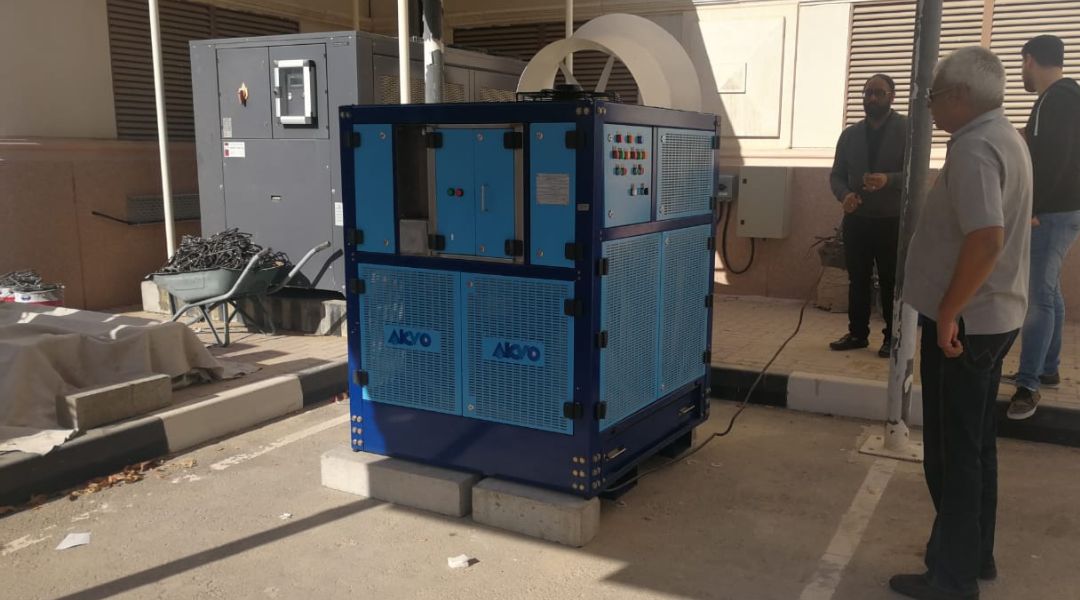
Akvo introduced a specially designed single-phase AWG system that could generate 300 liters of water per day. This innovative solution harnessed ambient humidity to produce water, bypassing the need for energy-intensive desalination or expensive water imports. The unfiltered water was ideal for agricultural applications, providing a fresh source of hydration for plants and landscapes around government facilities.

Impact

– Resource Optimisation: Enabled the Ministry to utilise a renewable source of water, significantly reducing the ecological footprint associated with traditional water sourcing methods.
– Operational Eiciency: The single-phase system was easy to install and required minimal maintenance, making it a practical solution for sustained agricultural support.
– Strategic Resilience: By adopting atmospheric water generation, the Ministry enhanced its water security strategy, ensuring a reliable supply even under adverse climatic condition.

Bengaluru – Revolutionising corporate water supply with WOW (Water on Want)

Location: Bengaluru
Usage: Corporate water supply through a pay per-litre model
Setup Type: Distributed Water Supply with Rooftop AWGs

Background

A leading corporate in Bengaluru, catering to thousands of employees, faced the dual challenge of ensuring a consistent supply of high-quality drinking water while managing costs and environmental impact. The conventional approach of procuring bottled water was not only expensive but also contributed to significant plastic waste, contradicting the company’s sustainability goals.

Solution

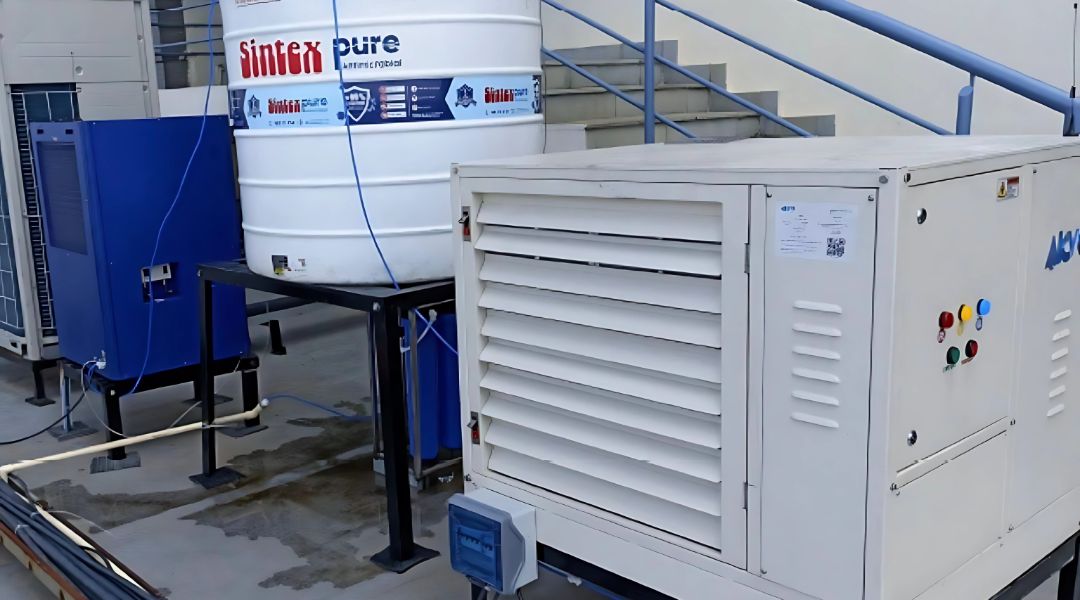
Akvo implemented its WoW (Water on Want) model, installing rooftop AWGs capable of producing 3000 liters per day. This innovative pay-per-litre BOOT (Build Own Operate-Transfer) setup allowed the corporate to access fresh water on demand, eliminating the need for bottled water. Multiple dispensers were strategically placed across the campus to ensure easy access for all employees.

Impact

– Sustainable Transformation: Reduced the use of single-use plastics by over 80%, aligning the company with its environmental commitments.
– Cost Efficiency: Achieved significant cost savings on water procurement and logistics, reinvesting the savings into employee welfare programs.
– Enhanced Employee Experience: Improved access to fresh, chilled water, contributing to employee satisfaction and productivity.

BW Sustainability World

Rapid urbanization and the emergence of smart cities demand innovative solutions to address critical water challenges like scarcity, quality, and sustainability. Smart water systems, powered by technologies such as IoT, machine learning, and big data, offer a transformative approach to water management by ensuring efficient usage, preventing wastage, and maintaining quality.

Why Smart Water Systems Matter

Urban growth is straining traditional water infrastructure. Key drivers for adopting smart water solutions include:

  1. Water Scarcity: Overexploitation and climate change exacerbate shortages.
  2. Aging Infrastructure: Leaks in legacy systems lead to significant wastage.
  3. Rising Demand: Urbanization and industrialization increase water needs.
  4. Sustainability Goals: ESG initiatives drive the push for sustainable water systems.

Key Smart Water Technologies

  1. IoT Sensors: Monitor water flow, quality, and detect leaks in real time.
  2. Big Data Analytics: Predictive maintenance and demand forecasting optimize resource use.
  3. Smart Meters: Enable real-time consumption tracking and promote conservation.
  4. Decentralized Systems: Solutions like Atmospheric Water Generators (AWGs) provide localized water sources, reducing pressure on centralized systems.
  5. AI Decision-Making: Optimizes distribution, detects inefficiencies, and aids urban planning.

The Role of AWGs

Atmospheric Water Generators (AWGs) harness condensation to provide drinking water, aligning with the smart city vision. They:

  • Offer localized water sources, reducing transportation costs and carbon footprint.
  • Enhance reliability during emergencies.
  • Support sustainable water access for schools, hospitals, and public facilities.

Overcoming Challenges

Implementing smart water systems requires addressing hurdles like high initial investments, data security, interoperability, and public acceptance. Partnerships between public and private sectors and flexible, scalable solutions are key to overcoming these barriers.

A Vision for Water-Smart Cities

Smart water systems revolutionize urban water management by integrating cutting-edge technologies with sustainable practices. Goals include universal access, zero water waste, climate resilience, and environmental sustainability.

By investing in these innovations and fostering collaboration, we can build water-smart cities that meet the needs of growing populations while safeguarding the environment.

For the full article, click here.

Addressing a Global Challenge with Innovation!

Our world faces an urgent water crisis, affecting billions. It’s a scenario that requires immediate action, innovative thinking, and global collaboration. Inspired by the ancient concept of ‘Akrasia’ — the act of knowing what is right but not acting upon it — we are determined to bridge the gap between knowledge and action.

In this video, Navkaran Singh Bagga, CEO of Akvo Atmospheric Water Systems discusses the harsh reality of water scarcity, the universal need for sustainable solutions, and how Akvo Atmospheric Water Systems is rising to meet this challenge. The Atmospheric Water Generation Systems represents more than just technological innovation; they are a beacon of hope, turning air into life-sustaining water.

Let’s move from inaction to impact, from scarcity to abundance. Share your thoughts, your actions, and let’s spread the word.

Together, we can create a future where access to clean water is a reality for all.

https://www.youtube.com/watch?v=zMYCWhGrPn4

Water crisis hits Bangalore!

Bengaluru, the Silicon Valley of India, is currently facing one of its most challenging adversaries – the water crisis. With dwindling water resources and insufficient supply, residents are grappling with the daily struggle of securing even the most basic necessity of life – water. 

Current Scenario in Bangalore

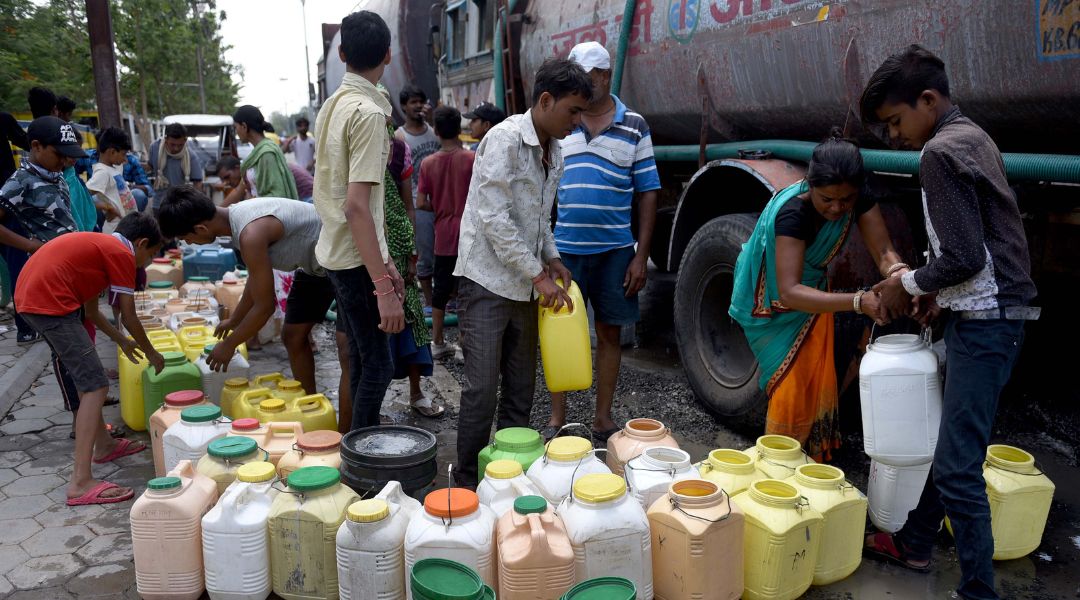
The water crisis in Bengaluru has escalated to a critical level, with residents resorting to extreme measures to cope. The city, once known for its pleasant climate and lush greenery, is now characterized by parched landscapes and depleted water reserves. Suburban areas like Babusapalya are heavily reliant on water tankers for their daily needs, but even this vital resource has become scarce in recent months.

Residents are facing a myriad of challenges, from high tanker rates to irregular water supply. Despite government interventions like fixed rates for tankers, the problem persists due to high demand and logistical issues. The situation is dire for families, especially those with infants, who struggle to meet their basic hygiene needs. 

The water crisis has permeated every aspect of daily life in Bengaluru. From limited bathing routines to the reliance on treated water for non-drinking purposes, residents are forced to adapt their lifestyles to conserve water. Hospitals, too, are feeling the strain, with facilities like Brookfield Hospital relying on water recycling to meet their needs. Bengaluru needs 2,600-2,800 million liters of water daily and the current supply is half of what’s required. The result is a daily struggle for the city’s residents. 

Initiatives

While the government has taken steps to address the crisis, including fixing tanker rates and implementing fines for misuse of drinking water, criticism abounds regarding the efficacy of these measures. Meanwhile, long-term solutions like the Mahadayi project offer hope for alleviating the city’s water woes, but progress remains sluggish.

Amidst the chaos, voices of resilience emerge from the community. Residents recognize the need for collective action and call for sustainable solutions that extend beyond government intervention. Initiatives like water conservation efforts and online water supply platforms showcase the community’s determination to combat the crisis together.

The water crisis in Bengaluru is not merely a temporary inconvenience but a wake-up call for comprehensive action. As residents endure hardships and authorities grapple with solutions, the need for concerted efforts towards sustainable water management becomes increasingly urgent.

Simple Solution?

Akvo Atmospheric Water Generators (AWGs) have the potential to positively impact the water crisis in Bangalore in several ways:

Localized Water Production: Akvo AWGs can produce water directly from the atmosphere, providing a localized and reliable source of clean drinking water. This reduces dependency on external water sources such as rivers and groundwater, which are currently overstressed and depleting rapidly in Bangalore.

Diverse Applications: These AWGs can be deployed in various settings, including residential areas, commercial complexes, and hospitals. By providing access to clean water at the point of use, Akvo AWGs can alleviate the burden on existing water infrastructure and reduce the need for costly water transportation via tankers.

Energy Efficiency: Akvo AWGs utilize advanced technologies to extract water from the atmosphere with minimal energy consumption. Compared to traditional water purification methods, such as reverse osmosis or distillation, AWGs require lower energy inputs, making them cost-effective and environmentally sustainable in the long run.

Community Empowerment: By decentralizing water production, Akvo AWGs empower communities to take control of their water supply. This reduces reliance on centralized water distribution systems, which are often prone to inefficiencies. Communities can tailor the use of Akvo AWGs to their specific needs, ensuring equitable access to clean water for all residents.

In summary, Akvo Atmospheric Water Generators offer a promising solution to the water crisis in Bangalore by providing localized, clean water production that is resilient to climate fluctuations and energy-efficient. By integrating AWGs into existing water management strategies, Bangalore can mitigate the impacts of water scarcity and ensure a more sustainable future for its residents.

Link to article: https://www.ndtv.com/bangalore-news/bengaluru-water-crisis-bengaluru-residents-hospitals-cry-for-help-as-water-reserves-dwindle-5229006

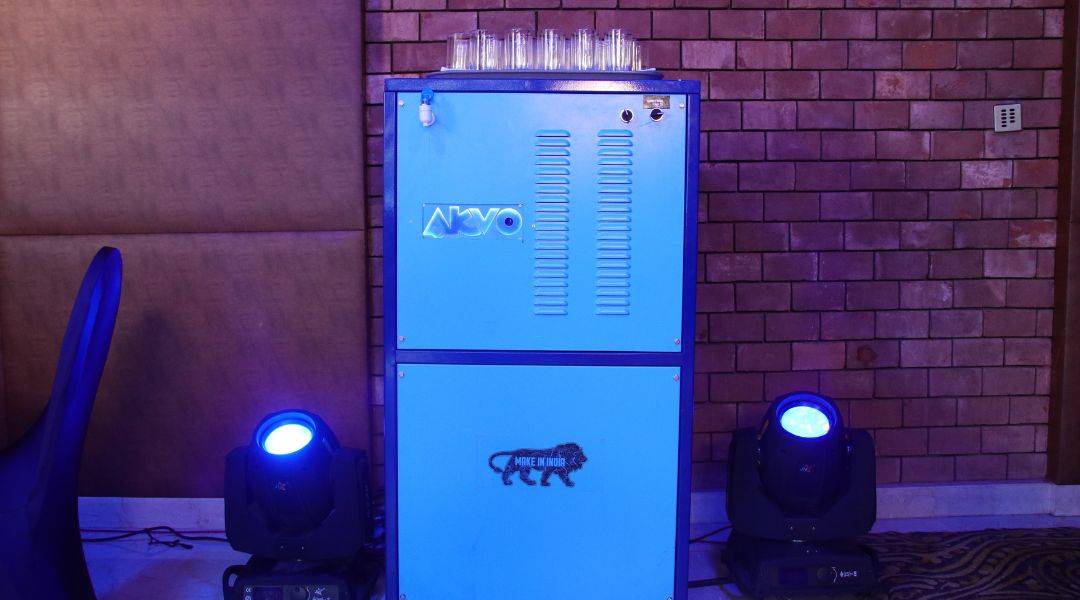
Creating Water from Air: An ESG-Friendly Solution to Combat Water Scarcity

In a world grappling with the impact of climate change and water scarcity, the need for sustainable water solutions has never been more pressing. The traditional methods of obtaining water may not be sufficient to meet the growing demands of an expanding global population. However, a promising and environmentally friendly technology has emerged – creating water from air. This innovative approach not only addresses water scarcity but also aligns perfectly with the principles of ESG (Environmental, Social, and Governance) responsibility. In this blog, we explore how this sustainable technology can play a vital role in combating water scarcity while promoting a greener future.

Water Scarcity and Climate Change: Water scarcity is one of the most significant challenges facing humanity today. With changing weather patterns and increasing temperatures due to climate change, many regions are experiencing more frequent and severe droughts, leading to depleted water sources. Traditional freshwater sources, such as rivers, lakes, and underground aquifers, are under immense pressure, and their rapid depletion threatens the delicate balance of ecosystems worldwide. The urgency to address this crisis demands innovative and sustainable solutions that can adapt to the changing climate.

The Promise of Creating Water from Air: Creating water from air, also known as atmospheric water generation, is an ingenious technology that taps into the Earth’s abundant resource – the atmosphere. The atmosphere contains vast amounts of water vapor, and this technology leverages condensation principles to extract and convert that vapor into liquid water suitable for various uses. Solar energy or other renewable energy sources can power the process, making it a green energy solution with low environmental impact.

Environmental and Social Impact: This sustainable technology presents a plethora of environmental benefits. By relying on renewable energy sources, it reduces greenhouse gas emissions and lessens the carbon footprint, making it a significant step towards mitigating climate change. Moreover, this technology can operate independently of traditional water infrastructure, avoiding the need for costly and resource-intensive pipelines or desalination plants. Consequently, it can provide access to clean drinking water in remote and underserved regions, promoting social equity and bridging the gap between urban and rural communities.

ESG-Friendly and Socially Responsible: The principles of ESG are gaining traction across industries, and investing in sustainable technologies is increasingly becoming a priority for socially responsible companies. Creating water from air checks all the boxes for an ESG-friendly solution. Companies that adopt and invest in this technology demonstrate their commitment to environmental stewardship, sustainable practices, and long-term social impact. This not only helps companies build a positive public image but also attracts environmentally conscious investors, driving financial support for further research and implementation.

As water scarcity continues to intensify in the face of climate change, the importance of adopting sustainable water solutions cannot be overstated. Creating water from air is a promising technology that offers an environmentally friendly and socially responsible approach to combat water scarcity. By harnessing renewable energy sources, this innovative method not only addresses the challenges posed by climate change but also aligns with ESG principles. As we work towards a greener and more sustainable future, investing in and promoting technologies like creating water from air becomes imperative to ensure access to clean water for all and preserve the planet for generations to come.


Business Standard

Water scarcity has become a global concern, with incidents such as Day Zero in Cape Town (2018) serving as stark reminders of the urgency of this issue. Transporting drinkable water to regions affected by natural disasters, especially equatorial areas during summer, remains a challenge. India faces its own water crisis, with cities like Bengaluru, Mumbai, Shimla, and Chennai projected to exhaust groundwater reserves by 2030, as highlighted in a report by Niti Aayog.

In April this year, water scarcity triggered mass migration in rural Madhya Pradesh’s Damoh district. Moreover, the groundwater contribution to the Ganga River is expected to decrease over the next three decades, potentially impacting 115 million people in the Ganga basin, according to IIT Kharagpur.

Such issues require innovative solutions. One promising approach is the Atmospheric Water Generator (AWG) technology developed by AKVO Atmospheric Water Systems Pvt Ltd, under the leadership of Mr. Navkaran Singh Bagga, Founder and CEO.

How AKVO Tackles Water Scarcity

AKVO AWGs generate pure drinking water by extracting and purifying humidity from the air. These machines come in various sizes, catering to both community and industrial needs:

  • Capacity: Machines produce between 100 and 10,000 liters per day.
  • Cost: AKVO water costs INR 1.75–2.00 per liter, significantly cheaper than market rates (INR 15–20 per liter).

Impactful Deployments of AKVO AWG Machines

  1. Rural Communities:
    • A 1000-liter machine was installed in Hardua Mangarh, Madhya Pradesh, addressing the water needs of a village that relied on a 200-year-old well.
  2. Industrial Use:
    • Six machines have been installed at the IOCL refinery in Haldia, decentralizing water availability across its 300-acre area.
  3. Hydroponics:
    • Customizable machines support water demands for hydroponic farming, meeting specific mineral and volume requirements.
  4. Global Reach:
    • AKVO AWG machines gained international recognition at the International Water Summit (2018 & 2019) in Abu Dhabi and have been installed by Sharjah Electricity and Water Authority (SEWA) in the Middle East.

A Green, Cost-Efficient Solution for the Future

AKVO AWG machines operate without water wastage and consume just one unit of electricity per hour. Unlike desalination, which damages marine ecosystems, AKVO offers an eco-friendly alternative, making it ideal for tropical and coastal regions.

“Our vision is a future where no one suffers from water scarcity,” says Navkaran Singh Bagga, CEO. “We aim to deliver sustainable, cost-effective solutions that protect water resources while meeting the needs of diverse communities.”

Explore how AKVO AWGs are transforming water access across India and beyond. Discover the full original article here.