When a metropolitan area builds a new water treatment facility to tackle scarcity, water access improves, but electricity consumption surges. When a factory drills deeper borewells, it extracts groundwater at the cost of significantly higher energy use. When an enterprise transitions to green energy, it often fails to calculate the water required for its new operations.
These decisions may seem sound individually, but together they reveal a core flaw in traditional sustainability models: addressing single issues in isolation while ignoring the secondary pressures created by the solutions themselves.
The Interconnected Water-Energy Nexus
Water and energy are not separate discussions—they are deeply intertwined aspects of the same physical system. Electricity powers every stage of the water cycle, from pumping depleted groundwater to treating contamination and transporting supplies across long distances. Conversely, traditional energy generation relies heavily on water for cooling, while hydroelectric power depends on consistent river flows. Shortages in one resource directly compromise the security of the other.
This systemic interdependence is underscored by the International Energy Agency (IEA) in its March 2026 report, Wired for Water: How Electrification Is Transforming Desalination, which notes that 70% of the Indian population lives in areas facing high water stress. Planning water security without integrating energy strategy is no longer viable.
Evaluating Clean-Tech Innovations in Context
Every technological solution brings trade-offs that must be evaluated in real-world environments rather than isolated laboratory settings:
-
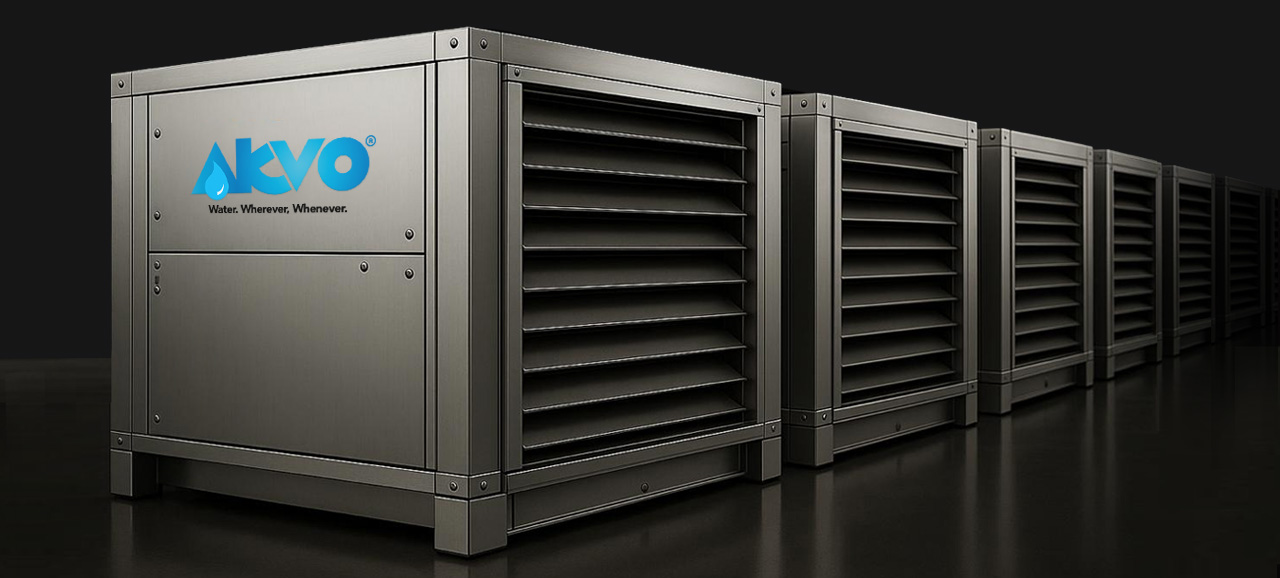
Atmospheric Water Generation (AWG): Capturing moisture directly from ambient air reduces reliance on depleting groundwater and eliminates long-distance transport costs. However, because efficiency relies heavily on local temperature and relative humidity, energy metrics must be carefully optimized for local climatic conditions.
-
Desalination & Recycling: Advanced wastewater recycling and desalination reduce freshwater dependence, yet they require careful management of energy inputs and concentrated brine outputs.
True performance cannot be measured by a single isolated metric. A company reporting water savings must also account for the additional electricity consumed to achieve them, establishing a clear net impact per litre supplied.
Measuring Real Net Impact
Achieving sustainable resource management does not require choosing between water security and energy security—it demands unified planning that evaluates both simultaneously. Policy makers, infrastructure developers, and industrial enterprises must look beyond immediate project boundaries to assess how individual resource choices impact local watersheds, regional power grids, and surrounding ecosystems.
On World Sustainability Day, the measure of progress is not the number of initiatives announced, but the precision with which we measure their complete, long-term impact. Genuine innovation ensures that today’s solutions do not inadvertently become tomorrow’s resource crises.
About the Author: Navkaran Singh Bagga is the Founder & CEO of Akvo Atmospheric Water Systems Pvt. Ltd. (akvosphere.com), an Indian manufacturer of atmospheric water generators deployed across 15+ countries.
Original Article: Read the original opinion piece by Navkaran Singh Bagga