
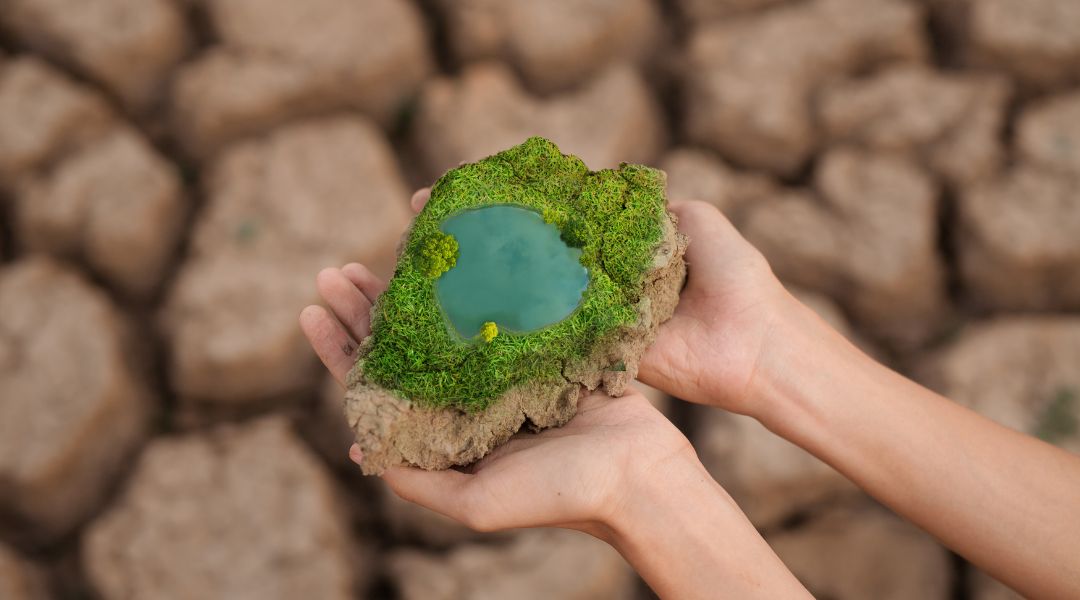
Water scarcity is no longer only about the availability of resources — it is increasingly about equitable access to safe drinking water.
Globally, nearly 2.2 billion people lack safely managed drinking water services, while millions spend hours each day collecting water. In India, where almost 18% of the world’s population depends on just 4% of global freshwater resources, water stress continues to affect millions.
Yet, in many communities, the issue is not the absence of water. Water sources may exist, but contamination, high TDS levels, fluoride, iron content, and inadequate treatment systems often make safe drinking water inaccessible.
This shifts the focus from water availability to water quality, accessibility, and reliability.
Traditionally, water interventions have prioritised infrastructure such as borewells, pipelines, and storage systems. While important, infrastructure alone does not guarantee sustainable impact. Long-term water security requires solutions supported by monitoring, technology, and community participation.
Key questions must guide future interventions:
- Is safe water being delivered consistently?
- Are systems sustainable over time?
- How is water quality being monitored?
- Are communities involved in ownership and maintenance?
Community participation remains critical for long-term success. Sustainable water access improves when local stakeholders become active partners rather than beneficiaries.
As climate change and groundwater depletion intensify water stress, ensuring equitable access to safe drinking water is becoming essential for health, dignity, livelihoods, and inclusive development.
The future of water security will depend not only on creating water sources, but on ensuring that safe water reaches every community consistently and sustainably.
—
Navakarn, CEO, AKVO