
As the world marks Earth Day 2026, the focus is shifting from large, centralized infrastructure to smaller, more resilient local systems. One of the most urgent areas of change is water.
By 2030, global freshwater demand is expected to exceed supply by 40%. Aquifers are being depleted rapidly, rivers are shrinking, and traditional solutions—bigger pipelines and deeper wells—are no longer enough.
Decentralised water solutions offer a new approach.
Water From Air
The atmosphere holds vast amounts of water. Atmospheric Water Generation (AWG) technology captures this moisture, converting it into clean drinking water without relying on groundwater or surface sources.
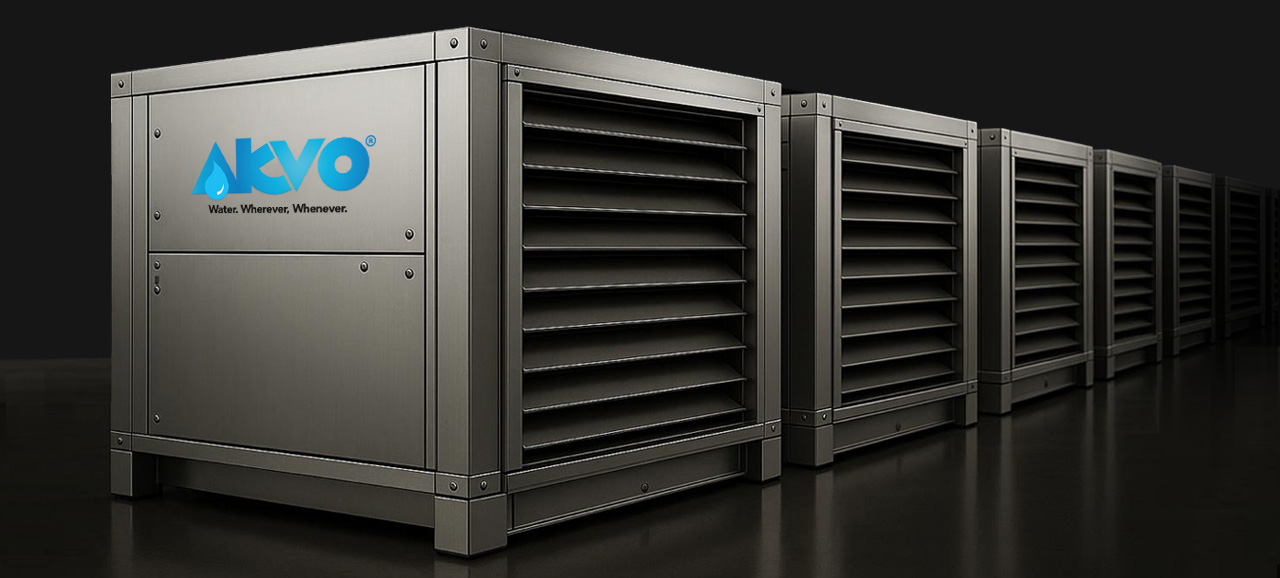
Akvosphere systems are already operating globally—from deserts to coastal cities—providing independent, on-site water using only air and electricity.
Why Decentralisation Works
Centralised water systems are complex and fragile. Decentralisation allows buildings, schools, hospitals, and communities to produce their own water, reducing dependency on external infrastructure.
This shift mirrors the rise of solar energy—making systems more resilient rather than replacing them entirely.
A Scalable Solution
Modern AWG systems use energy comparable to traditional water supply systems. When paired with solar power, their environmental impact drops further.
Unlike groundwater extraction, long-distance transport, or bottled water, AWG offers a more sustainable and scalable alternative.
The Bigger Shift
Earth Day should be about real change—not just messaging.
Water scarcity is already here. Investing in decentralised solutions like AWG is not just sustainable—it’s necessary.
The air holds the answer. It’s time to use it.
To read the full article, visit India Today